
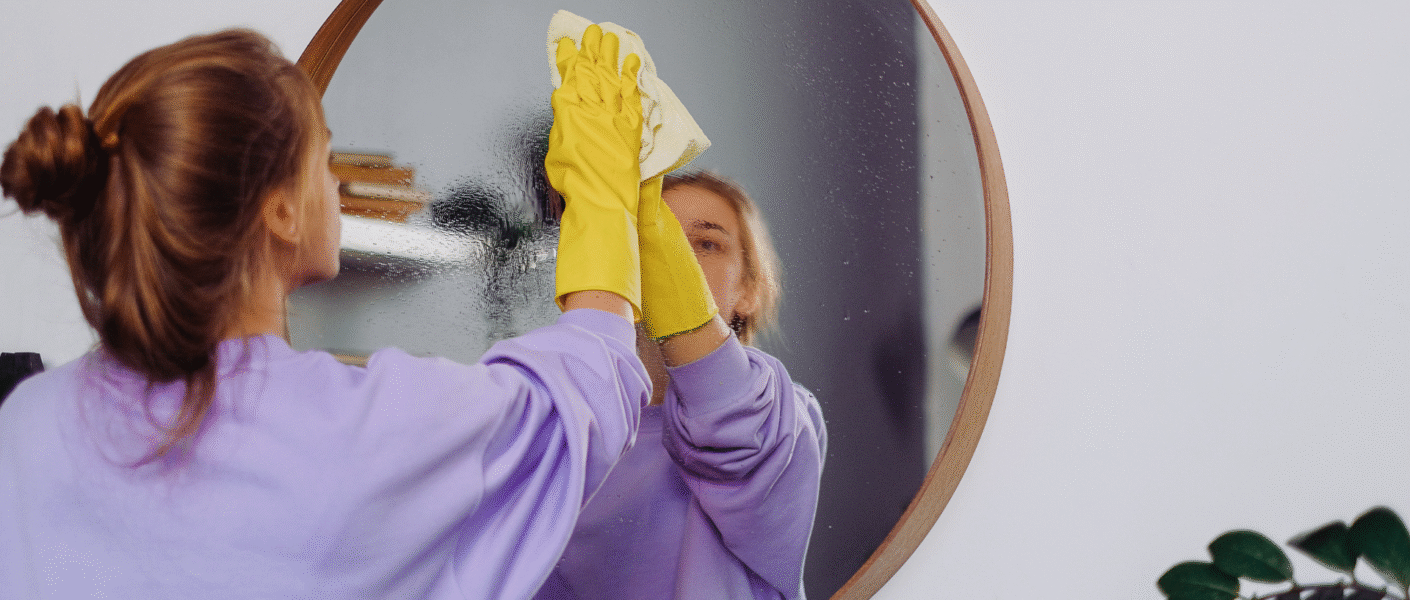
Keeping a home smelling fresh throughout the year is a goal for many. Regular cleaning, proper ventilation, and the use of natural air fresheners are essential strategies to achieve this. Homes can easily absorb unwanted odours from cooking, pets, or moisture, but with the right approach, these can be effectively managed.
Incorporating plants that purify the air can also enhance the freshness of a home. Indoor greenery not only improves aesthetics but can filter toxins and emit pleasant fragrances. Consistent upkeep and mindful choices create an inviting atmosphere.
Being proactive about preventing odours and maintaining cleanliness will lead to a more enjoyable living space. Small changes in daily routines can make a significant difference, ensuring that a home remains a welcoming environment all year round.
Mastering the Basics of a Fresh-Smelling Home
Maintaining a fresh-smelling home hinges on proper ventilation, effective odour prevention, and addressing any unpleasant smells promptly. A few key strategies can significantly enhance indoor air quality and create a welcoming atmosphere.
Importance of Ventilation and Airflow
Good ventilation is crucial for a fresh-smelling home. It allows fresh air to circulate, reducing the concentration of indoor air pollutants such as volatile organic compounds and allergens like pollen and spores. Poor ventilation can lead to musty smells and increased humidity, prompting issues like mould growth.
To promote airflow, regularly open windows and doors when weather permits. Use exhaust fans in kitchens and bathrooms to eliminate cooking odours and moisture. Consider installing air purifiers with HEPA filters to capture airborne irritants. A well-ventilated home can improve health, reducing the risks associated with indoor pollutants, including respiratory issues like coughing.
Effective Odour Prevention Techniques
Preventing unwanted odours can minimise the need for remediation. Start by keeping spaces clean and free from clutter, as this can trap dust and other allergens. Regularly vacuum carpets and upholstery using a model equipped with a HEPA filter to effectively reduce allergens. For more thorough upkeep, consider scheduling weekly or bi-monthly professional cleaning services such as upholstery, tile, rug, or carpet cleaning.
Incorporating plants like spider plants or peace lilies not only enhances aesthetics but also improves air quality. Avoid using strong-scented cleaning products that might contain harmful chemicals. Instead, opt for natural alternatives, such as vinegar and baking soda, for a fresh smell without negative health effects.
Identifying and Neutralising Bad Smells
Identifying sources of bad smells is essential for effective remediation. Common culprits include pet areas, kitchens, and bathrooms. Regularly inspect these spaces to detect potential issues.
Once sources are identified, addressing them is key. For persistent bad smells, consider using odour absorbers like activated charcoal or baking soda. For musty odours, ensure proper ventilation and consider using dehumidifiers to control humidity levels.
Prompt action can prevent bad smells from becoming entrenched. Regular maintenance of household items, especially plumbing and appliances, will help keep odours at bay. Engaging in these practices ensures a consistently fresh scent throughout the home.
Routine Cleaning for Odour Control
Maintaining a fresh-smelling home requires consistent cleaning, particularly in areas prone to odours. This section outlines essential practices for deep cleaning key spaces, managing fabrics, and addressing hidden sources of unpleasant smells.
Deep Cleaning High-Risk Areas
High-risk areas for odours include kitchens and bathrooms. Regularly deep cleaning these spaces is vital.
Kitchen cleaning tasks:
- Wipe countertops and surfaces with disinfectant to eliminate food particles and bacteria.
- Clean appliances, including microwaves and refrigerators, to remove spills and food remnants.
- Check the bin and its surroundings; empty and clean it to prevent the build-up of unpleasant smells.
Bathroom cleaning tasks:
- Scrub sinks, toilets, and shower areas to eliminate mildew and soap scum.
- Use a disinfectant spray on surfaces and fixtures to ensure thorough sanitisation.
- Regularly clean or replace bath mats to prevent mildew growth.
Targeting Bathrooms, Kitchens, and Living Spaces
Bathrooms and kitchens can harbour persistent odours if not cleaned regularly. They require specific attention for effective odour control.
In bathrooms, focus on:
- Daily wiping of surfaces with a mild cleaner.
- Monthly deep cleaning of grout and tile to remove mould.
In kitchens, regularly:
- Wash dishcloths and sponges, as they can trap moisture and bacteria.
- Ensure that food waste is managed correctly to reduce unwanted smells.
Living spaces generally require a less intensive yet routine approach:
- Dust surfaces weekly to minimise dust particles that can hold odours.
- Ensure proper air circulation and consider using air purifiers.
Managing Carpets, Rugs, and Fabrics
Fabrics can absorb odours, making it essential to incorporate them into the cleaning routine.
For carpets and rugs:
- Vacuum at least once a week to remove dust and dirt.
- Use a carpet cleaner every few months, focusing on high-traffic areas to lift embedded stains and odours.
- Consider using baking soda: sprinkle it on carpets, leave for several hours, and then vacuum to neutralise smells.
For upholstery:
- Use fabric softener when washing removable covers to add a fresh scent.
- Air out cushions and fabrics regularly to prevent musty smells.
Addressing Hidden Sources: Drains and Dirty Laundry
Hidden sources can significantly contribute to household odours.
Drains may harbour bacteria and residue:
- Pour a mixture of baking soda and vinegar down drains weekly to break down any buildup.
- Rinse with hot water to ensure clear pipes.
Dirty laundry is another source:
- Avoid letting clothes sit for too long; wash as soon as possible.
- Use a laundry basket with a lid or ventilation to minimise smells until washing.
Focusing on these cleaning tasks can help maintain a pleasant atmosphere in any home.
Moisture and Mould Prevention
Managing moisture is crucial to keeping a home fresh. High humidity levels encourage mould and mildew growth, leading to unpleasant odours and potential health issues. It is important to implement effective moisture control strategies and ensure proper removal techniques.
Controlling Humidity and Condensation
To control humidity, a home should maintain indoor humidity levels between 30% and 50%. Using a dehumidifier is an effective way to reduce excess moisture, especially in damp areas such as basements. Regularly check humidity levels with a hygrometer.
Ventilation is equally important. Ensure windows are opened regularly to allow fresh air circulation. Use exhaust fans in kitchens and bathrooms to reduce moisture from cooking and bathing. Installing trickle vents can also aid airflow without compromising security.
Furthermore, proper exterior maintenance, such as timely gutter repair, can also be important in preventing water blockage issues, leading to growth of mold and mildew. Addressing these issues with the gutter can ensure proper drainage away from the home’s foundation and walls, which can be important in keeping the home dry and preventing moisture related problems.
Beyond just repairs, homeowners often find that investing in new gutter systems is a proactive step towards comprehensive moisture control. Understanding the various factors that influence the cost of new gutters, such as material choices like aluminum or copper, labor, and additional features like gutter guards, is crucial for budgeting. This investment not only protects the home’s structural integrity from water damage but also contributes to preventing the damp conditions that foster mould and unpleasant odours. Proper installation ensures efficient water diversion, safeguarding foundations and landscaping for years to come.
Avoid drying clothes indoors. If necessary, use a covered drying rack in a well-ventilated area. These practices help prevent condensation on windows and surfaces, mitigating mould growth.
Mould and Mildew Removal
If mould or mildew appears, quick action is essential. First, identify the source of moisture and remedy it to prevent further growth. Use a solution of water and white vinegar or a commercial mould remover. Apply it to affected areas, allowing it to sit for at least 10 minutes before scrubbing.
Wear protective gloves and a mask to avoid inhalation during cleaning. A soft brush can be effective on non-porous surfaces, while a more robust scrub may be needed for porous materials. Once clean, dry the area thoroughly to prevent recurrences.
Inspect areas often prone to moisture, such as around sinks and appliances. Regular checks ensure early detection, enabling homeowners to maintain a fresh environment free from mould and mildew.
Adding Pleasing Scents and Eliminating Odours
Creating a fresh-smelling home involves choosing effective air fresheners, utilising essential oils, applying natural solutions, and enhancing the ambience with candles and diffusers. These strategies help combat unpleasant odours while introducing delightful scents to living spaces.
Choosing and Using Air Fresheners and Deodorisers
Air fresheners and deodorisers come in various forms, including sprays, gels, and plug-ins. They work by masking odours or neutralising them. When selecting an air freshener, consider the size of the space and the intensity of the scent.
Key options include:
- Aerosol sprays: Ideal for quick elimination of smells in small areas.
- Scented gels: Provide continuous scent release over time.
- Plug-in devices: Offer adjustable scent levels and can be used for larger spaces.
Regularly changing air fresheners prevents scent fatigue and ensures that the home remains inviting.
Harnessing Essential Oils and Diffusers
Essential oils, such as lavender, lemon, and eucalyptus, can significantly enhance the atmosphere of a home. Using an oil diffuser disperses these scents into the air, creating a soothing and fresh environment.
Tips for use:
- Choose high-quality oils: Pure essential oils provide better scent and more health benefits.
- Adjust the number of drops: More drops lead to stronger scents; finding the right balance is essential.
- Consider seasonal blends: Use different oils to reflect the changing seasons, like citrus in summer or cinnamon in winter.
Essential oil diffusers not only add scent but also can have therapeutic effects, promoting relaxation and focus.
Natural Solutions: Baking Soda, Vinegar, and Incense
Baking soda and vinegar are powerful natural deodorisers. Baking soda absorbs smells effectively, making it ideal for refrigerators and carpets. It can be sprinkled on surfaces and left for a few hours before vacuuming.
Vinegar neutralises alkaline odours and can be used in various cleaning solutions. A bowl of vinegar left out can absorb strong smells in a room.
Incense sticks can also contribute pleasant fragrances and create a calming atmosphere. Choosing quality incense with natural ingredients enhances air quality while providing a delightful aroma.
Enhancing Scent with Candles and Reed Diffusers
Candles are a popular way to add scent to a home. Scented candles not only provide fragrance but also create a warm, inviting glow. Opt for high-quality candles made from natural wax for a cleaner burn.
Reed diffusers are another excellent option for maintaining a subtle scent without the need for flames. They consist of a container filled with scented oil and reeds that absorb and release the aroma into the air.
Benefits include:
- Consistent fragrance: Reed diffusers provide a continuous scent experience.
- Variety of scents: There are countless scent options, allowing for personalisation based on preference.
Combining these methods can create an overall more refreshing atmosphere in the home, contributing to an enjoyable living environment.