
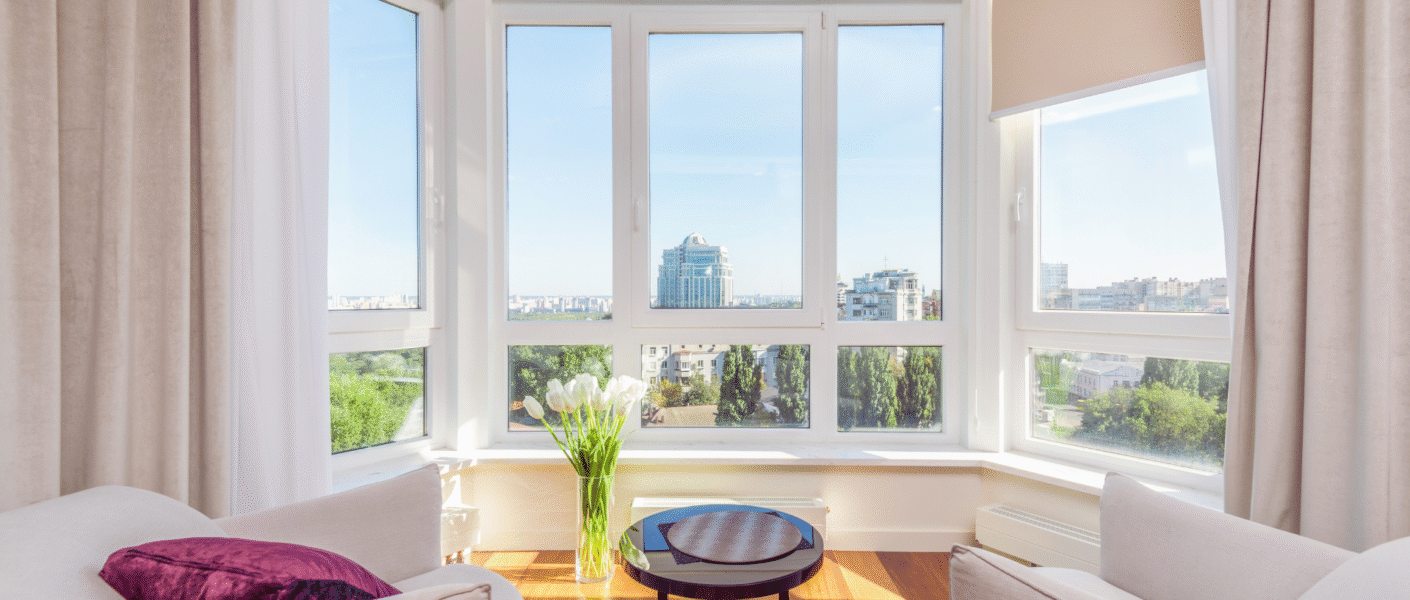
Maximising natural light in a home can dramatically enhance its ambience and energy efficiency. Bay windows offer a unique architectural feature, creating a perfect opportunity to invite more sunlight into a space. Strategically placing mirrors, using light-coloured furnishings, and opting for transparent window treatments can significantly improve light flow while maintaining privacy.
Design choices play a crucial role in how much light a bay window can capture and distribute. Incorporating elements like plant placement and reflective surfaces can amplify the effect of daylight. With the right approach, these windows can transform a room into a bright and welcoming environment.
Homeowners should consider the orientation of the bay windows to optimise light exposure throughout the day. By understanding the sun’s path and using it to their advantage, they can create a cheerful atmosphere that makes the most of the available natural light.
Maximising Natural Light with Bay Windows
Bay windows provide an excellent opportunity to enhance natural light in a space. Through careful positioning, selection of treatments, and balancing aesthetics with practicality, they can significantly brighten any room.
Strategic Placement for Optimal Sunlight
The placement of bay windows is crucial for maximising sunlight. Situating them on the south or west side of a building allows for the most direct sunlight throughout the day.
Consider how the sun’s path changes with the seasons. Low winter sun can fill spaces effectively, while higher summer sun might require careful planning to avoid excessive glare.
In urban settings, avoiding obstructions like buildings or trees can enhance exposure. Select a location that captures the most light at different times of the year for consistent brightness.
Choosing the Right Window Treatments
Selecting appropriate window treatments will influence the amount of natural light entering through bay windows. Lightweight, sheer fabrics allow sunlight to filter in while maintaining privacy.
Vertical blinds or roller shades can be adjusted easily to control brightness. These options can help diffuse harsh sunlight without completely blocking it.
For added energy efficiency, consider treatments with thermal properties. Energy-efficient solutions can keep spaces warm in winter and cool in summer, enhancing comfort alongside natural light.
Pairing energy-efficient glazing with correctly fitted treatments yields the best results: high-performance glass reduces heat transfer while tailored shades or shutters manage glare. Homeowners often see the biggest gains when window upgrades are coordinated with professional measurements and installation, which ensures seals and frames perform as intended.
Local companies that offer both replacement windows and custom treatments can simplify this process, one such example is Willow Window, which emphasizes professional fitting and product choices that suit climate and design.
Thinking about the long-term energy and comfort impacts when selecting both glass and coverings will pay dividends in lower bills and a more comfortable interior.
Balancing Elegance and Functionality
Bay windows should complement the room’s design while ensuring functionality. Choosing elegant designs, like arch-top or custom-shaped windows, can enhance visual interest.
It is essential to choose materials that suit the overall aesthetic of the home while offering durability. Options like quality wood, aluminium, or uPVC can provide longevity and energy efficiency.
Additionally, opting for shutters can be a smart way to bring both style and utility to bay windows. A versatile option is tier-on-tier shutters, which can be adjusted independently to suit changing light or privacy needs.
On the other hand, designs like café-style shutters, which cover only the lower portion, can allow natural light to pour in while offering privacy and helping regulate indoor temperatures. In this regard, one can explore ShuttersUp café style shutter designs (or catalogues from similar brands), which can complement various interior styles while subtly contributing to energy efficiency and comfort.
Also, incorporating built-in seating or shelving can maximise the use of the space, making it both beautiful and practical. This balance enhances both the functionality and elegance of bay windows, elevating the overall atmosphere of the room.
Enhancing Interior Spaces with Bay Windows
Bay windows not only illuminate a room but also create unique opportunities for interior design. They can be transformed into inviting spaces that enhance the overall atmosphere of a home, offering both practicality and aesthetic appeal.
Creating a Cosy Window Seat
A bay window presents an ideal setting for a cosy window seat. It invites natural light while providing a snug nook for reading or relaxation. Incorporating cushions and throws can enhance comfort and encourage leisure time.
To create an inviting window seat, ensure ample padding and consider the dimensions carefully. A small table nearby may serve as a useful surface for drinks or books. The positioning of the seat should maximise views, allowing occupants to enjoy the outdoors from the comfort of their home.
Incorporating Built-In Seating and Custom Furnishings
Built-in seating solutions can optimise space utilisation in a bay window area. Custom furnishings, tailored to fit the nuances of the window’s shape, can enhance both functionality and design. Designers often recommend using built-in benches with storage underneath to maintain a tidy environment.
Selecting materials that complement a room’s décor is vital. Timber, upholstered fabrics, and metals can be combined effectively. Incorporating adjustable lighting and soft textiles can create an inviting setting, enhancing the overall usability of the space.
Adding Indoor Plants for Visual Interest
Indoor plants can significantly enhance the aesthetic appeal of a bay window. They bring life and colour, contributing to a fresh atmosphere. Selecting plants that thrive in natural light, such as succulents, ferns, or herbs, can create a vibrant focal point.
Arranging plants at varying heights can add depth and visual interest. Using attractive pots or planters can further enhance the decor. Regular maintenance, such as watering and pruning, ensures that these natural accents flourish and continue to beautify the space.
Selecting Curtains, Blinds, and Decorative Accents
Choosing the right window treatments can enhance the beauty of bay windows while maximising natural light. Custom Shades, like Roman shades or café curtains, can strike a nice balance between practicality and style. Adding playful patterns or interesting textures can also give the room a warm, lively feel that feels both inviting and unique.
Utilising Roman Shades and Cafe Curtains
Roman shades are an excellent choice for bay windows, as they fit snugly within the frame. They can be raised or lowered easily, allowing for control over light levels. Selecting light fabrics, such as linen or cotton, helps maintain brightness in the room while adding a touch of elegance.
Café curtains are another popular option, offering privacy without sacrificing light. Placing café curtains on the lower half of the window allows natural light to filter through while keeping the upper portion unobstructed. This creates an inviting atmosphere, particularly in kitchens or cosy living areas.
Integrating Playful Patterns and Textures
Incorporating playful patterns into window treatments can energise the space. For instance, geometric designs or floral motifs on curtains can complement the room’s decor while adding visual interest.
Textures also play a crucial role in enhancing the overall look. Mixing materials, like combining sleek blinds with soft curtains, can create depth. Additionally, using patterned accents in cushions or throws can echo the window treatments, contributing to a cohesive design.
Practical Benefits and Overcoming Design Challenges
Bay windows are not only architectural treasures but also enhance natural light and ventilation, leading to improved energy savings. They can transform interior spaces while providing both aesthetic and functional benefits. Understanding how to tackle common design challenges is essential for maximising their potential.
Improving Ventilation and Energy Savings
Bay windows encourage ventilation by creating a natural airflow within a space. Their angled design promotes cross-ventilation, allowing fresh air to circulate effectively. This can lead to a more comfortable environment, particularly in warm weather.
To enhance energy savings, incorporating double or triple-glazed glass is beneficial. These options minimise heat loss during colder months and reduce reliance on heating systems.
Furthermore, strategically placing plants near bay windows can improve air quality while contributing to a calming atmosphere. Enhanced ventilation can also increase productivity by providing a more inviting and comfortable work environment.
Addressing Common Bay Window Design Challenges
While bay windows offer many benefits, several design challenges must be addressed. One major concern is ensuring structural integrity. Proper support is crucial, particularly if the bay extends beyond the main wall. Consulting with an architect can help navigate this issue effectively.
Maintenance may also pose a challenge. Regular cleaning, especially for the glass, is essential to maximise natural light. Choosing durable materials and finishes can mitigate wear and tear.
Another consideration is the amount of sun exposure. Excess sunlight can lead to overheating or fading interior furnishings. Employing shades or films on the glass can help manage light levels while maintaining aesthetic appeal.