A clutter-free home contributes significantly to overall well-being and productivity. Implementing consistent habits can transform any space into an organised haven. By establishing a few straightforward routines, individuals can maintain a tidy environment that promotes clarity and focus.
Creating a clutter-free home is about more than just aesthetics; it’s about cultivating a lifestyle. Simple changes, like daily tidying or regular decluttering sessions, can make a profound difference. These habits encourage not only a cleaner home but also peace of mind, allowing for a more enjoyable living experience.
Exploring these top five habits will provide practical steps that anyone can take to achieve a more organised space. From prioritising storage solutions to simplifying possessions, each habit offers a pathway to a more serene home life.
Establishing Daily Decluttering Routines
Creating effective daily routines for decluttering can significantly enhance organisation in the home. Establishing habits that focus on consistent, manageable tasks will simplify the process and yield long-lasting results.
Set Aside Daily Decluttering Time
Designating a specific time each day for decluttering is crucial. This time should be short, ideally between 10 to 15 minutes, to make it easier to commit. Consistency is key here; choosing a time that fits well into the daily schedule, such as morning or evening, helps in forming a habit.
During this time, one should gather items that are out of place or no longer needed. Use a basket or box to collect these items, making it easier to transfer them to their designated space later. This routine will gradually make decluttering feel less daunting and more manageable.
Tackle One Small Area at a Time
Focusing on small, specific areas can yield significant results without overwhelming the individual. Instead of attempting to declutter an entire room, they can choose to address a single drawer, shelf, or corner. This targeted approach allows for a detailed assessment of items within that small space.
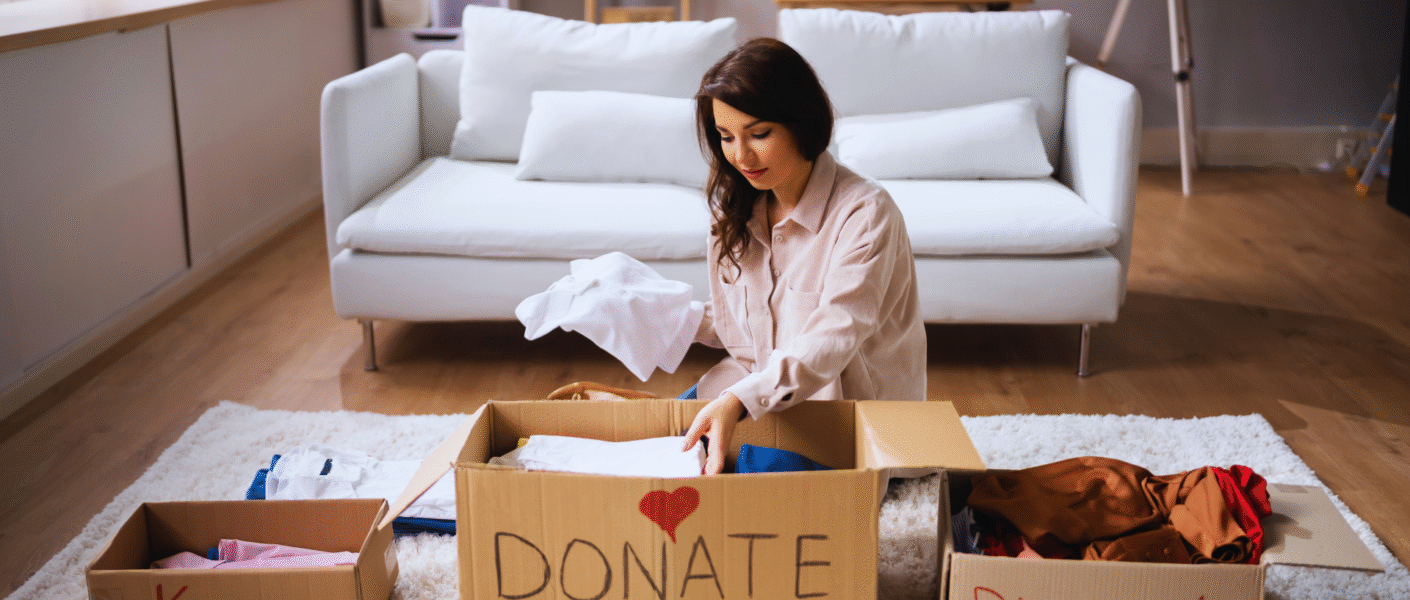
By decluttering in smaller segments, it becomes easier to make decisions about what to keep, donate, or discard. She can use a simple system such as “keep,” “donate,” and “discard” to streamline her choices. Completing one small area can provide a sense of accomplishment, motivating her to continue.
Integrate Cleaning and Organisation
Combining cleaning with decluttering is an efficient strategy. When one does a quick clean of a space, they can also take the opportunity to organise items. For instance, while dusting a countertop, it’s a good moment to sort through clutter and identify items that no longer belong.
Creating a checklist can help track both cleaning and organising tasks. For example, they might note: “Wipe down surfaces, declutter items on the table, and organise books on the shelf.” This integrated approach maximises time and can lead to a more organised living environment with minimal extra effort.
Prioritising Meaningful Items and Letting Go
Creating a clutter-free home begins with identifying which items truly hold value. The focus should be on prioritising meaningful items, while also making the decision to let go of those that no longer serve a purpose. This process can greatly enhance one’s living space and overall health.
Assess Item Value and Purpose
To determine the value of an item, one must consider its purpose and emotional significance. An effective strategy is to ask questions like:
- Does it bring joy?
- When was the last time it was used?
- Does it serve a functional need?
Items that fail to meet these criteria might add to the clutter without providing any benefit. Marie Kondo’s method encourages keeping only those things that spark joy and serve a direct purpose. By identifying items that truly resonate, individuals can create a space that reflects their values and lifestyle.
Adopt the ‘One In, One Out’ Principle
The ‘One In, One Out’ principle serves as an effective strategy to maintain a clutter-free environment. Each time an individual acquires a new item, they should consider removing an old one. This practice helps prevent accumulation and promotes mindful consumption.
For instance, purchasing a new piece of clothing means donating an outdated article. This method discourages impulsive shopping and encourages thoughtful decisions. By regularly assessing possessions in this way, individuals can ensure their living space remains organised and meaningful, ultimately enhancing their overall wellbeing.
Effective Organisation Techniques
Maintaining a clutter-free home requires implementing specific organisation techniques that keep items in their designated places. Effective methods like using labels can significantly reduce the stress associated with searching for things. Strategic categorisation of belongings optimises space and makes cleaning effortless.
Use Labels to Maintain Order
Labels are essential for promoting an organisation. By tagging containers, shelves, and rooms, an individual can quickly identify the location of items. This visual cue minimises clutter and enhances efficiency.
- Clear Identifiers: Use clear, legible fonts. Avoid intricate designs that complicate readability.
- Consistency is Key: Maintain a consistent naming system. For example, use similar categories for kitchen items (e.g., “Pasta”, “Canned Goods”).
In addition, labels help alleviate allergens by ensuring that food items and cleaning supplies are stored properly, reducing potential exposure for sensitive individuals. Labelling encourages personal responsibility in household members, fostering a collaborative environment for maintaining order.
Categorise Belongings Strategically
Strategic categorisation is crucial for efficient organisation. Grouping similar items together allows for quicker access and a clearer space. Consider these strategies:
- Room Designation: Allocate specific areas for particular activities or items, such as a dedicated craft corner or a tech zone.
- Size- and Frequency-Based Grouping: Keep frequently used items in easily accessible places. Store seasonal or rarely used items in less accessible spots.
This method not only reduces clutter but also streamlines cleaning processes, cutting down on time spent managing belongings. Each category should be evaluated regularly to ensure it meets evolving needs. By effectively utilising these techniques, anyone can transform their living space into an orderly and serene environment.
Maintaining a Clutter-Free Lifestyle Over Time
Sustaining a clutter-free home requires intentional efforts. Regularly reviewing habits and involving all household members are critical strategies.
Review and Adjust Habits Regularly
Establishing a clutter-free lifestyle depends on ongoing evaluation of personal habits. Schedule regular check-ins, ideally monthly, to assess areas prone to clutter. This review identifies patterns, such as items that continually accumulate in certain spots.
During these reviews, individuals should ask themselves questions like:
- Are there specific items that repeatedly need organising?
- Are the current storage solutions effective?
Adjusting habits includes implementing new organisational strategies. For instance, a professional organiser can provide tailored advice, helping individuals understand how to optimise space effectively. Small changes, such as choosing to discard an item after purchasing a new one, can significantly reduce clutter over time.
Involve Household Members
A clutter-free home is a shared responsibility. Engaging all household members promotes teamwork and accountability. Begin by including everyone in discussions about maintaining order and decluttering.
Assign specific tasks based on each person’s strengths. For example, one individual might excel at sorting, while another could manage the disposal of unwanted items. Regular family meetings to address clutter issues encourage open communication and collective problem-solving.
Creating a daily or weekly chore chart can also help to establish routines. This chart might include tasks such as putting away shoes by the door or routinely sorting mail. Involvement fosters a sense of ownership and reduces stress associated with clutter build-up.