A busy family home can quickly become overwhelming without clear systems in place. Simple routines, designated spaces for items, and regular decluttering are key to maintaining calm and order throughout the day. Creating these habits helps reduce stress and keeps daily life running smoothly.
Understanding the specific needs of the family and involving everyone in organising tasks makes the process more effective. Small, consistent efforts often lead to lasting change in the home environment.
By focusing on practical strategies and clear organisation, any busy household can feel more controlled and peaceful without adding extra pressure.
Decluttering Strategies for a Calm Home
Decluttering requires consistent effort and targeted actions to create lasting calm. Focusing on routines, key areas, and sustainable habits helps prevent clutter from building up again.
Establishing a Family-Wide Decluttering Routine
A regular decluttering routine engages all family members, distributing responsibility and reducing individual workload. Designating specific days or times, such as every Saturday morning or before bedtime, creates predictability.
Using simple tools like labelled boxes for “Keep,” “Donate,” and “Recycle” helps streamline decision-making during sessions. Involving children with age-appropriate tasks teaches them about organisation and shared upkeep.
Consistency is crucial. Without it, clutter quickly returns. Encourage setting small goals, such as clearing one drawer or shelf each session, to avoid overwhelm and maintain momentum.
Prioritising High-Impact Areas
Targeting the most cluttered or visible zones first has an immediate calming effect. Focus on entryways, kitchen counters, and communal spaces where clutter accumulates rapidly.
Evaluating these spaces regularly helps identify problem spots early. For example, clear shoe racks can prevent mess near the front door, while organising mail stations reduces paper piles.
Prioritising such areas improves daily routines. It prevents distractions caused by visual clutter, aiding focus and creating a more harmonious living environment.
Sustainable Purging Habits
Long-term calm results from ongoing management of possessions. Establishing clear criteria for keeping items stops unnecessary accumulation.
Implement rules like “one in, one out” to balance new and old belongings. Conduct quick monthly purges, discarding anything broken, unused, or expired.
Encourage donation or recycling to avoid waste. Keeping storage systems simple and accessible supports quick decisions about items, preventing clutter from resurging.
Effective Home Organisation Techniques
Creating clear, practical systems tailored to each room helps keep clutter under control. Consistency and easy access are essential when maintaining organised spaces, especially with busy family routines. Shared areas need thoughtful planning to accommodate multiple users.
Creating Organisational Systems for Every Room
Each room requires a unique system based on its function and users. In kitchens, designated zones for cooking, prep, and storage reduce mess and increase efficiency. Use labelled containers, hooks, and shelves for clear categorisation.
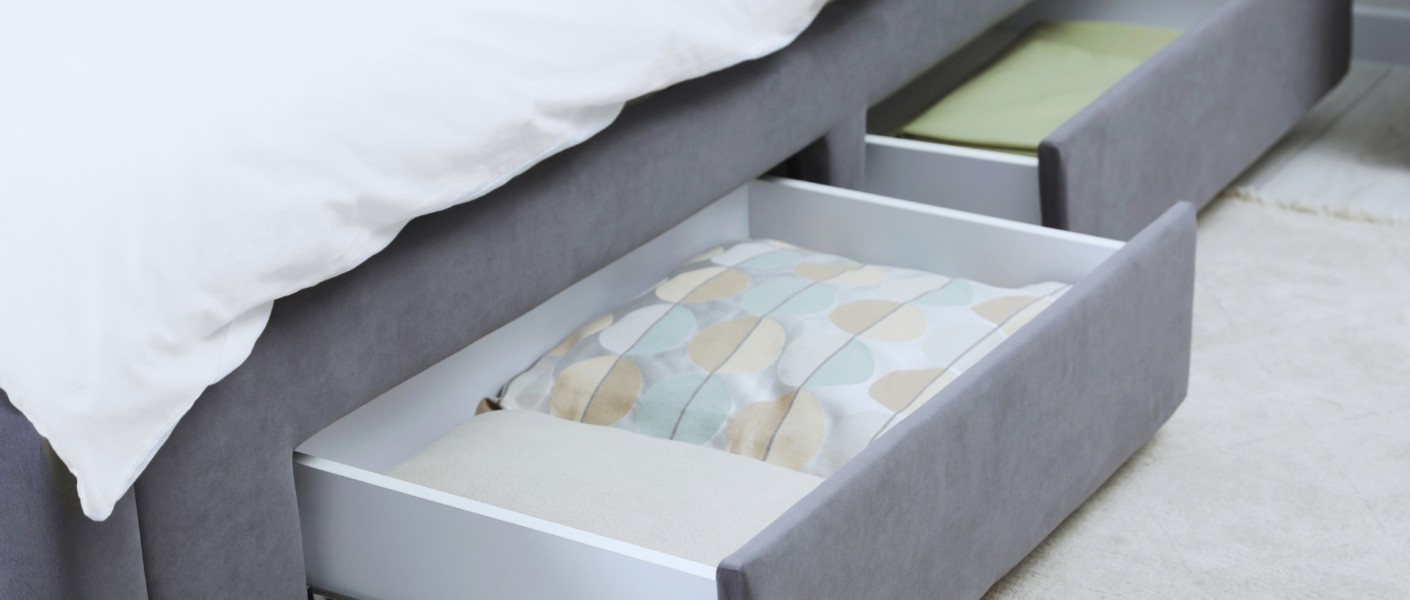
Bedrooms benefit from under-bed storage and dual-purpose furniture to maximise space. Bathrooms work well with tiered organisers and wall-mounted racks to keep essentials visible and accessible.
In living rooms, baskets and trays collect loose items, reducing visual clutter. Creating specific drop zones near entrances for keys, bags, and mail prevents daily build-up.
Maintaining Organisation Amidst Busy Schedules
Regular, short tidying sessions prevent clutter from accumulating. Setting daily or weekly reminders helps keep organisational routines on track without overwhelming family members.
Assigning clear responsibilities to each family member builds shared ownership. Simple checklists or charts can track tasks such as emptying rubbish or sorting laundry.
Using calendars or apps synchronises family schedules and reduces confusion. Time blocking specific tasks, such as a Sunday afternoon family tidy-up, integrates organisation into the weekly rhythm.
Organising Shared Family Spaces
Shared spaces need clear boundaries to avoid cross-purpose clutter. Using labelled bins or shelves dedicated to each family member keeps belongings distinct.
Furniture with hidden storage, like ottomans or benches, combines comfort with practicality. Clear storage boxes make it easy to spot and retrieve toys or craft supplies.
Establishing “return zones” ensures items go back after use. Family agreements on common-area rules encourage cooperation and maintain order consistently.
Smarter Storage Solutions for Modern Families
Effective storage is essential to keep a busy family home organised. It involves using all available space efficiently and selecting the right storage products to reduce clutter and improve access.
Maximising Storage Space with Vertical Storage
Vertical storage utilises wall height to increase capacity without taking up floor space. Shelves mounted high on walls in living areas, or hallways, provide room for less-frequently used items.
Tall bookcases and stackable cupboards make use of vertical space in shared rooms. Hooks and pegboards on walls create spots to hang bags, coats, or kitchen utensils, keeping surfaces clear and tidy.
Using vertical storage maximises space in smaller rooms and prevents overcrowding. It also helps separate and categorise belongings, making it easier to locate items quickly.
Choosing and Using Storage Bins Effectively
Storage bins help group similar items and control clutter. Clear plastic bins allow quick visibility of contents, which is useful for toys, craft supplies, or seasonal clothing.
Label bins clearly with contents and room destination to avoid confusion. Stackable bins maximise cupboard or loft storage and ensure stability when piled.
Bins with lids protect contents from dust and pests, which is important in basements or garages. Using a mix of sizes ensures storage fits into awkward shelves or under furniture efficiently.
Optimising Kitchen and Bathroom Storage
In kitchens, pull-out drawers with organisers keep utensils and spices orderly. Using corner shelves or lazy Susans increases the use of awkward cabinet corners.
Magnetic strips on walls or inside cupboard doors hold knives and metal tools safely, freeing up drawer space. Clear, labelled containers for pantry items provide visibility and reduce food waste.
Bathrooms benefit from tiered shelving units or hanging storage over doors to use vertical space well. Waterproof baskets keep towels and toiletries organised, while drawer dividers prevent clutter in small bathroom drawers.
Practical Tips to Keep Your Family Home Organised
Keeping daily clutter under control requires simple changes to common problem areas. Practical additions like dedicated storage solutions make routines smoother and reduce stress.
Streamlining Entryways with Shoe Racks
An entryway shoe rack helps contain footwear mess and prevents dirt from spreading through the home. It’s best to choose a rack that fits the available space and holds enough pairs for the whole family.
Selecting a tiered or cubby-style shoe rack maximises vertical space and keeps shoes visible, making it easier to find the right pair quickly. Positioning the rack near the door encourages everyone to use it consistently.
Regularly clearing old or unused shoes from the rack maintains order. Adding a small mat underneath the rack can catch dirt and moisture, protecting the flooring and keeping the area tidy.
Organising Drawers with Dividers
Drawer dividers improve visibility and organisation by creating separate compartments for different items. This reduces time spent searching through clutter, especially in kitchens, bedrooms, or home offices.
Adjustable dividers allow flexibility as storage needs change. Using materials like wood, plastic, or fabric depends on the drawer’s location and purpose.
To implement, items should be grouped by function or frequency of use. For example:
- Kitchen drawer: cutlery, cooking utensils, and packets.
- Bedroom drawer: socks, underwear, accessories.
Maintaining a system with dividers prevents the accumulation of random items and keeps spaces functional.