
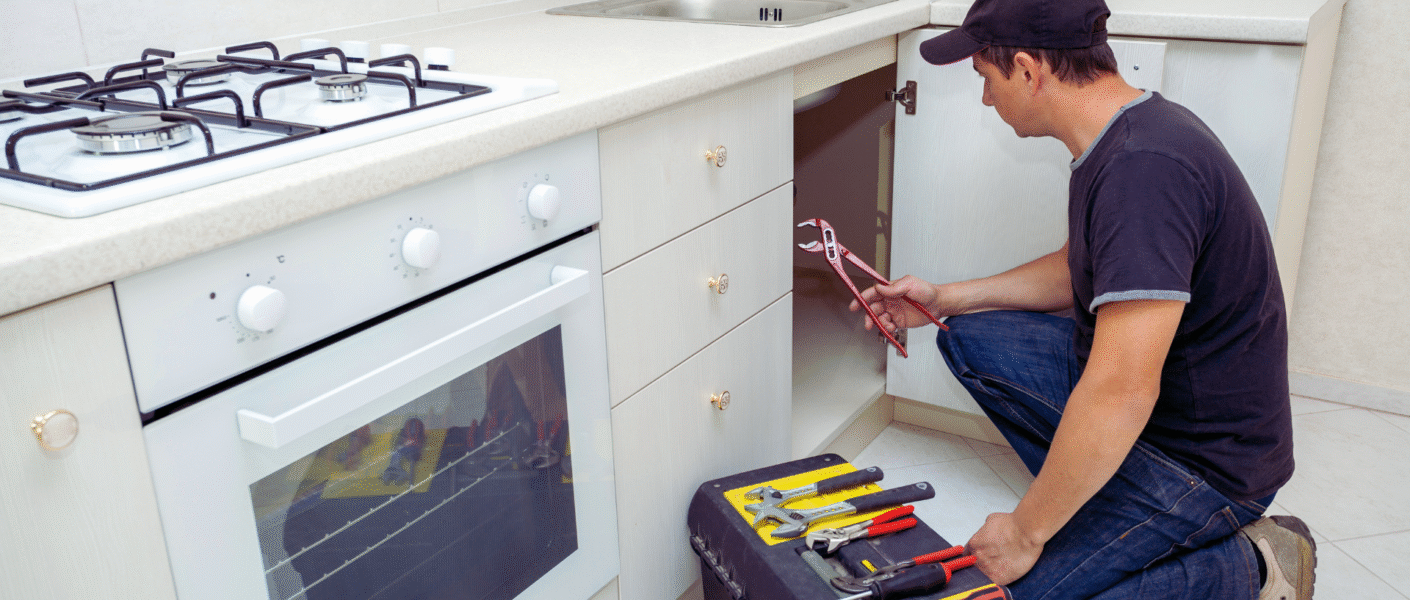
Home repairs are an inevitable part of homeownership, often arriving unexpectedly. To effectively budget for these repairs, one must assess the condition of their home and prioritise potential issues, ensuring that funds are allocated ahead of time. By planning for the worst and setting aside a dedicated fund, homeowners can mitigate the financial stress associated with urgent repairs.
Understanding common repair costs in advance can provide a clearer picture of what to expect. Researching typical expenses for different types of repairs, from plumbing to services like flat roof replacement in Tampa, enables individuals to build a comprehensive budget tailored to their specific needs. This proactive approach not only prepares them for unforeseen issues but also empowers them to make informed decisions about their home’s maintenance.
Ultimately, a well-structured budget for home repairs can lead to peace of mind and financial stability. By maintaining a clear awareness of potential costs and regularly updating their budget, homeowners can ensure they are always ready to tackle necessary repairs without financial strain.
Understanding the True Cost of Home Repairs
Determining the true cost of home repairs involves identifying common repair needs, estimating costs for repairs and replacements, and recognising the importance of seasonal and preventive maintenance. Each of these factors plays a crucial role in budgeting effectively.
Identifying Common Repair Needs
Homeowners often face various repair needs. Routine issues include roofing leaks, plumbing problems, and electrical faults.
Common Repair Needs:
- Roof Repairs: Average costs range from 150 to 1,000, depending on severity.
- Plumbing Fixes: Simple leaks can be repaired for about 100, while major issues may exceed 500.
- Electrical Repairs: Basic fixes start at approximately 50, whereas full rewiring can cost several thousand.
Understanding these needs helps in planning finances effectively. Regular assessments can prevent minor issues from escalating into major expenses.
Estimating Repair and Replacement Costs
It’s essential to have realistic estimates for different repairs and replacements. Costs can vary widely depending on materials, labour, and geographical location.
Cost Estimates for Common Repairs:
| Repair Type | Estimated Costs |
| Roof Replacement | 3,500 – 7,000 |
| HVAC System | 2,500 – 5,000 |
| Plumbing System | 1,500 – 4,000 |
| Electrical Work | 1,000 – 3,000 |
Homeowners should also account for labour costs, which typically range from 50 to 100 per hour. This variability makes it important to consult multiple professionals to obtain accurate quotes.
Seasonal and Preventive Maintenance
Home maintenance should include seasonal tasks to avoid costly repairs. Regular upkeep can extend the life of a property and its systems.
Key Seasonal Maintenance Tasks:
- Spring: Inspect gutters, replace air filters, and check for pests.
- Summer: Service air conditioning units and clean outdoor spaces.
- Autumn: Clear leaves from drains and examine the roof for damage.
- Winter: Ensure heating systems function properly and insulate pipes.
By implementing these tasks, homeowners can prevent drastic damage and unnecessary expenses. This proactive approach allows for better budgeting and peace of mind.
Setting a Realistic Repair Budget
Establishing a practical repair budget involves careful allocation of funds for regular maintenance, preparedness for unexpected expenses, and consideration of necessary large-scale improvements. Each aspect contributes to maintaining a home’s functionality and safety.
Allocating Funds for Routine Upkeep
Routine upkeep is essential for a home’s longevity. Homeowners should allocate around 1% to 3% of the home’s value annually for regular maintenance. This percentage ensures that funds are readily available for minor repairs, servicing, and replacements like filters and seals. For example, having a budget ready can ensure that you can hire trusted technicians for ac replacement or repair when needed. Similarly, it helps cover routine plumbing maintenance and unexpected repairs to keep everything running smoothly.
Typical costs in this category might include:
- Annual check-ups for heating, ventilation, and air conditioning (HVAC) systems.
- Regular plumbing maintenance to prevent leaks.
- Roof inspections are to catch issues early.
Setting aside money each month in a dedicated savings account can help manage these costs effectively.

Planning for Emergency Expenses
Unexpected repairs can arise, making it crucial to have an emergency fund. Financial experts recommend saving at least 3 to 6 months’ worth of expenses, which allows homeowners to respond quickly to urgent situations, such as a broken water heater or roof leak.
When creating an emergency budget, it is wise to:
- Identify common issues that may occur, based on the age and condition of the home.
- Estimate typical repair costs for those issues to know how much to set aside.
Having this fund accessible mitigates stress during emergencies and ensures timely repairs.
Factoring in Large-Scale Improvements
Larger improvements, while less frequent, should also be included in a repair budget. Homeowners often overlook significant renovations, like kitchen or bathroom remodels, which can enhance property value. Structural updates, such as roof repairs or replacements, are equally important and often require input from professionals-exploring options through local roofing companies can help you understand potential costs and necessary timelines before committing to a project. Taking the time to compare quotes and services can also ensure you’re making a cost-effective and well-informed decision.
When planning for these expenses, consider:
- Setting a separate fund specifically for large projects.
- Researching local averages for renovation costs to base savings requirements on realistic figures.
It’s beneficial to consult with contractors to gain insights into potential costs and timelines. This foresight can prevent financial strain when embarking on necessary upgrades.
Financing Options and Cost Management Strategies
Managing costs for home repairs requires a strategic approach. Individuals have several financing options that can help them cover unexpected expenses effectively.
Using a Savings Account and Emergency Fund
A dedicated savings account can be a prudent choice for financing home repairs. By regularly contributing to this account, individuals can build an emergency fund specifically for home-related issues. This fund should ideally cover three to six months’ worth of predictable repair costs.
Regular contributions can smooth out expenses over time, preventing financial strain when emergencies arise. It is advisable to keep this fund separate from day-to-day finances to avoid dipping into it for non-emergency situations. This approach instils discipline and prepares homeowners for potential costly repairs.
Leveraging a Home Warranty for Repairs
A home warranty can provide peace of mind and financial relief. This type of policy covers specific appliances and systems against breakdowns due to normal wear and tear. By paying an annual premium, homeowners can significantly reduce out-of-pocket expenses for repairs.
When a covered item breaks down, the warranty company typically handles repair costs after a service fee is paid. Homeowners should review the policy details carefully to understand what is covered and what isn’t, ensuring they are not caught off guard by exclusions. It is important to compare providers to secure the best coverage at a reasonable price.
Paying With a Credit Card: Pros and Cons
Using a credit card for home repairs offers both benefits and drawbacks. One key advantage is the ability to spread payments over time if the credit card balance is managed responsibly. Homeowners might also earn rewards or cashback points on their purchases.
Conversely, high-interest rates can lead to debt accumulation if balances are not paid off promptly. It is crucial to evaluate the credit card terms and ensure that the financial implications suit their budget. Making only the minimum payment can result in significant interest charges, ultimately increasing the repair costs. Planning and responsible use are essential.
Working With Contractors and Navigating Home Ownership Costs
Effective budgeting for home repairs involves careful collaboration with contractors and a keen awareness of mortgage-related costs. Understanding both can help homeowners manage their expenses effectively.
Choosing and Managing Contractors
Selecting the right contractor is vital for successful home repairs such as plumbing or tile roofing in tampa (or elsewhere). Homeowners should start by researching local professionals with positive reviews. Recommendations from friends or family can also provide valuable insights.
Once a shortlist is prepared, it’s important to obtain multiple quotes. This allows for comparison of pricing and services offered. Homeowners must ensure that contractors are licensed and insured. They should clearly outline the project scope and confirm timelines.
Regular communication is essential during the project. Homeowners should set expectations about progress and budget. Using a contract will help define milestones and payment schedules. Keeping track of expenses throughout the project can also prevent budget overruns.
Considering Your Mortgage and Interest Rates
Homeowners must factor in their mortgage commitments when planning for repairs. Understanding the terms of the mortgage can help in budgeting effectively. If funds are needed for repairs, homeowners can explore options like remortgaging or home equity loans, which could offer lower interest rates.
Monitoring current interest rates is crucial. A slight variation can significantly impact monthly payments. Homeowners should consider securing a fixed-rate loan to avoid fluctuations.
Creating a financial cushion for unexpected costs will help in navigating home repairs. It is recommended to have savings that cover at least 1-2% of the home’s value annually for maintenance and unexpected repairs.