Deep cleaning can seem like a daunting task, but it is essential for maintaining a healthy and inviting home. Effective deep cleaning involves a systematic approach that targets seldom-cleaned areas, ensuring that dust, allergens, and grime are eliminated completely. With the right tips and techniques, anyone can achieve a spotless environment that feels fresh and welcoming.
Incorporating deep cleaning into a regular cleaning routine is beneficial. It is not just about aesthetics; a thorough clean also contributes to overall wellness. Simple methods can make the process manageable and even enjoyable, turning a chore into a rewarding activity.
Each room presents its own unique challenges, from the kitchen to the bathrooms. With practical strategies tailored to different spaces, achieving a deep clean becomes less overwhelming and more achievable. Following effective cleaning tips can save time and effort while producing outstanding results.
Getting Started With Deep Cleaning
Before beginning a deep clean, it is essential to gather the right tools and understand the best practices for household hygiene. Preparing effectively sets the stage for a thorough cleaning experience.
Essential Tools and Supplies
Having the right tools can make a significant difference during a deep clean. The essentials include:
- Microfibre Cloths: Ideal for dusting and wiping surfaces without leaving streaks.
- Vacuum Cleaner: A powerful vacuum with attachments is crucial for carpets, upholstery, and hard-to-reach areas.
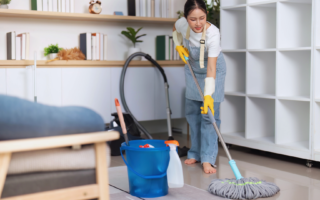
- Mop and Bucket: Essential for maintaining hygiene on hard floors.
- Scrubbing Brushes: For tackling tough stains in kitchens and bathrooms.
- Trash Bags: Necessary for decluttering and disposing of unwanted items.
Gathering these supplies in advance ensures a smoother process without the need for frequent interruptions.
Recommended Cleaning Products
Selecting effective cleaning products is vital for a successful deep clean. Consider these options:
- All-Purpose Cleaner: Suitable for various surfaces, making it a versatile choice.
- Disinfectant Spray: Important for killing germs, especially in high-touch areas.
- Glass Cleaner: Ensures windows and mirrors are streak-free.
- Baking Soda and Vinegar: Natural alternatives for removing tough stains and odours.
Using eco-friendly products can also be beneficial for both hygiene and health, reducing exposure to harsh chemicals.
Preparing Your Home for a Deep Clean
Preparation can significantly enhance the deep cleaning process. Start by tidying up spaces:
- Declutter Rooms: Remove unnecessary items and organise belongings. This creates a clean slate for deep cleaning.
- Set a Cleaning Schedule: Allocate specific times for each room, ensuring a systematic approach.
- Gather Supplies: Collect all tools and cleaning products in one place to avoid distractions.
A well-prepared home allows for thorough cleaning and improves efficiency, ensuring no area is overlooked.
Deep Cleaning Every Room Effectively
Effective deep cleaning involves targeted techniques for each room in a home. This approach ensures that every area receives the necessary attention for thorough cleanliness.
Bathroom Deep Cleaning Techniques
Cleaning the bathroom can be challenging due to soap scum and mildew. Start by removing all items from surfaces.
Key Cleaning Steps:
- Toilet: Use a toilet cleaner with bleach and scrub under the rim and bowl.
- Shower and Tub: Apply a mixture of baking soda and white vinegar to the tiles and grout. Let it sit before scrubbing.
- Sink and Countertops: Wipe down surfaces with a disinfectant and focus on faucet handles to eliminate germs.
Finish by cleaning mirrors with a glass cleaner. Ensure the bathroom is fully dry before replacing items to prevent mould growth.
Kitchen Deep Cleaning Strategies
The kitchen requires attention to surfaces and appliances. Start by removing all food items and wiping down surfaces.
Essential Steps:
- Countertops: Use a solution of warm, soapy water or a gentle cleaner. For stubborn stains, baking soda can effectively lift dirt.
- Appliances: Clean the stovetop with a degreaser. Inside the oven, a paste of baking soda and water can remove grime.
- Refrigerator: Empty the refrigerator and clean the shelves with a vinegar solution. Regularly check expiration dates for food safety.
Finally, mop the floor with a suitable cleaner to complete the process.
Living Areas and Bedrooms
Deep cleaning living areas and bedrooms focuses on dust and fabric care. Begin by decluttering spaces and removing items from surfaces.
Cleaning Tips:
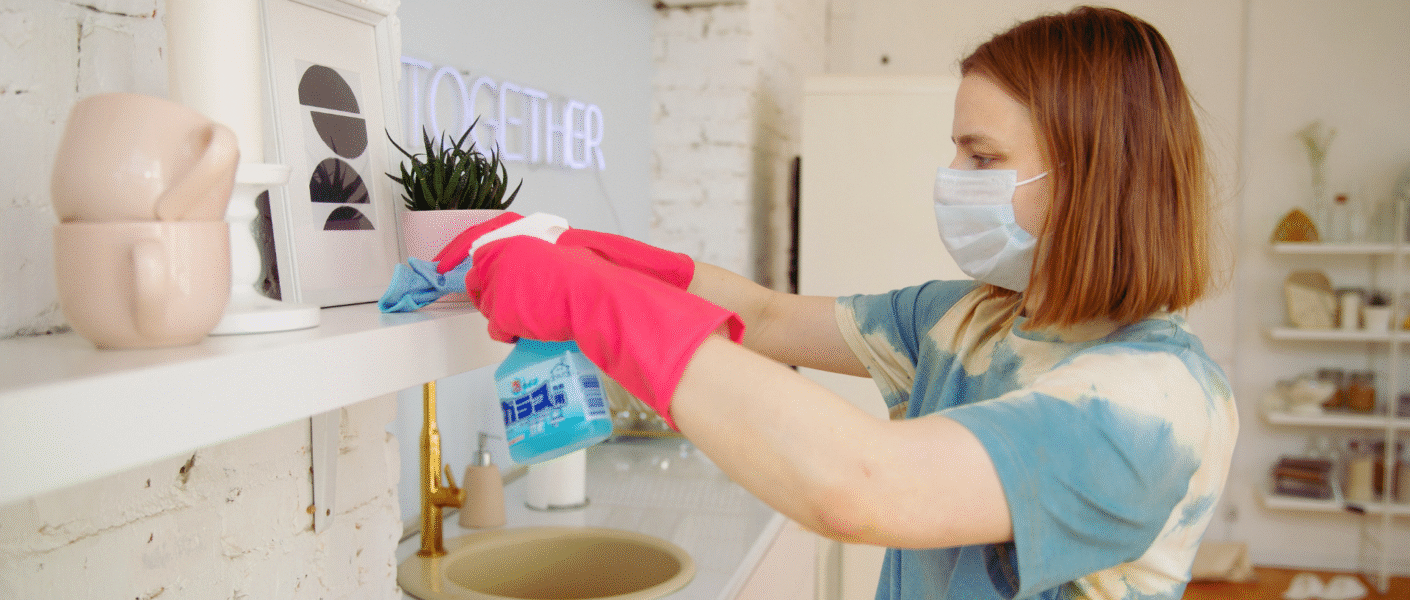
- Dust Surfaces: Use a microfibre cloth to dust all shelves, electronics, and ceiling fans.
- Carpets and Rugs: Vacuum thoroughly, then sprinkle some baking soda to neutralise odours. Let it sit before vacuuming it up.
- Upholstery: Check care labels and use appropriate cleaners for fabric. Spot clean stains as necessary.
Finish by ensuring all items are neatly organised and stored away, promoting a comfortable environment.
Windows, Curtains, and Blinds
Cleaning windows, curtains, and blinds contributes significantly to overall room brightness. It enhances the overall atmosphere of a home.
Cleaning Method:
- Windows: Use a glass cleaner or a vinegar-water mixture. Wipe with a microfibre cloth for streak-free results.
- Curtains: Refer to labels for washing instructions. Most curtains can be machine-washed on a gentle cycle.
- Blinds: Dust blinds with a cloth or use a specialised blind cleaner. Consider soaking in warm, soapy water for deeper cleaning if needed.
These steps can help maintain a clean and inviting living space.
Tackling Surfaces, Dust, and Allergens
Maintaining a clean home involves effective methods to manage surfaces and allergens. Key activities include dusting to reduce dust mites, sanitising frequently-touched surfaces, vacuuming regularly, and using steam cleaners safely.
Dusting to Deter Pests and Reduce Dust Mites
Regular dusting not only helps reduce allergens like dust mites, but it also eliminates the fine debris that attracts pests such as ants, silverfish, and cockroaches. Using a microfiber cloth captures dust more effectively and prevents it from becoming airborne or settling back onto surfaces.
Maintaining a weekly dusting routine can make your home less inviting to both dust mites and household pests. In areas with recurring issues, protective encasements on mattresses and pillows can help limit pest access. Also, if a household shows persistent signs of pests, such as droppings, musty odors, or chewed materials along with persistent dust buildup, it may be a good idea to call in a professional exterminator who can assess the situation and apply targeted treatments to eliminate the source and prevent future infestations.
Sanitising Frequently-Touched Surfaces
Frequently-touched surfaces including doorknobs, light switches, and remote controls should be sanitised regularly. A solution of 75% alcohol or wipes containing disinfectant can effectively kill germs.
Make it a habit to sanitise these areas at least once a week, especially during allergy season or flu outbreaks. Pay special attention to kitchen surfaces and appliances. Using separate cloths for cleaning different areas can also prevent cross-contamination.
Vacuuming Floors, Carpets, and Upholstery
Regular vacuuming is crucial in allergen management. Using a vacuum cleaner equipped with a HEPA filter ensures that dust, pet dander, and other allergens are trapped effectively.
Vacuum at least once a week, and more often in high-traffic areas. Don’t neglect carpets, rugs, and upholstered furniture. Cleaning these spaces helps to significantly reduce allergen accumulation. For a more thorough cleaning, consider reaching out to professionals for Carpet Cleaning in Round Rock, or elsewhere. They can ensure that dust mites and other allergens are extracted that regular cleaning might miss, thus improving indoor air quality.
For sensitive individuals, consider using vacuums with an anti-allergen seal to further minimise exposure.
Using Steam Cleaners Safely
Steam cleaners are effective tools for deep cleaning surfaces and killing allergens. When using a steam cleaner, ensure the unit reaches a temperature of at least 100°C to effectively eliminate dust mites and bacteria.
Before using a steam cleaner on upholstery or delicate surfaces, tests should be conducted in inconspicuous areas to prevent damage. Always follow the manufacturer’s instructions regarding usage and maintenance.
This method also saves time and reduces the need for chemical cleaners, making it a sustainable cleaning option.
Maintaining a Clean and Comfortable Home
Establishing effective routines for daily tidying and regular deep cleaning is essential for a clean, hygienic, and comfortable living space. By adopting specific habits and incorporating schedules, maintaining a pristine home becomes manageable.
Daily Tidying Habits
Incorporating daily tidying habits can significantly impact the cleanliness of a home. Simple actions such as making the bed each morning instantly creates a sense of order.
- Declutter surfaces: Spend a few minutes each day putting away items that belong in other rooms. This prevents accumulation and keeps spaces looking neat.
- Clean as you go: When cooking, wipe down counters immediately after use. This reduces the need for extensive cleaning later.
- Set a timer for quick clean-ups: Use 10-15 minutes each evening to tidy up common areas. This time can be spent dusting, putting items away, or vacuuming high-traffic areas.
Establishing these habits not only promotes a clean environment but also fosters a sense of accomplishment each day.
Weekly and Monthly Deep Cleaning Routines
Creating a structured weekly and monthly cleaning routine ensures thorough and consistent upkeep. It is practical to assign different tasks to specific days to avoid overwhelming workloads.
- Weekly tasks: Focus on high-priority areas, such as vacuuming, mopping floors, and cleaning bathrooms. Rotate detailed cleaning tasks like dusting blinds or scrubbing tiles weekly.
- Monthly tasks: Schedule in-depth activities, such as washing windows, cleaning the oven, or decluttering wardrobes. This helps maintain a pristine environment with minimal effort.
Moreover, establishing a checklist system not only helps monitor progress but also ensures that no tasks are overlooked, especially useful in busy or shared households.
At the same time, during these cleaning sessions, it’s possible to spot early signs of pests, such as droppings, chewed packaging, or unusual odors. Identifying these issues promptly is key to preventing infestations.
Therefore, for comprehensive solutions, homeowners are often encouraged to consult reliable Miami Pest Control specialists (or similar professionals elsewhere) who can assess the situation and implement safe, targeted treatment strategies to restore a healthy home environment.
Promoting Long-Term Hygiene and Comfort
Long-term hygiene and comfort depend on consistent cleaning practices and mindful choices in the home environment.
- Invest in quality cleaning products: Choosing effective, environmentally friendly products aids hygiene and promotes a healthier living environment.
- Maintain proper ventilation: Regularly open windows to allow fresh air circulation, reducing the risk of mould and maintaining air quality.
- Monitor humidity levels: Keeping humidity between 30-50% helps prevent dust mites and mildew, contributing to overall comfort.
By focusing on these areas, a clean and comfortable home is not only achievable but also sustainable.