
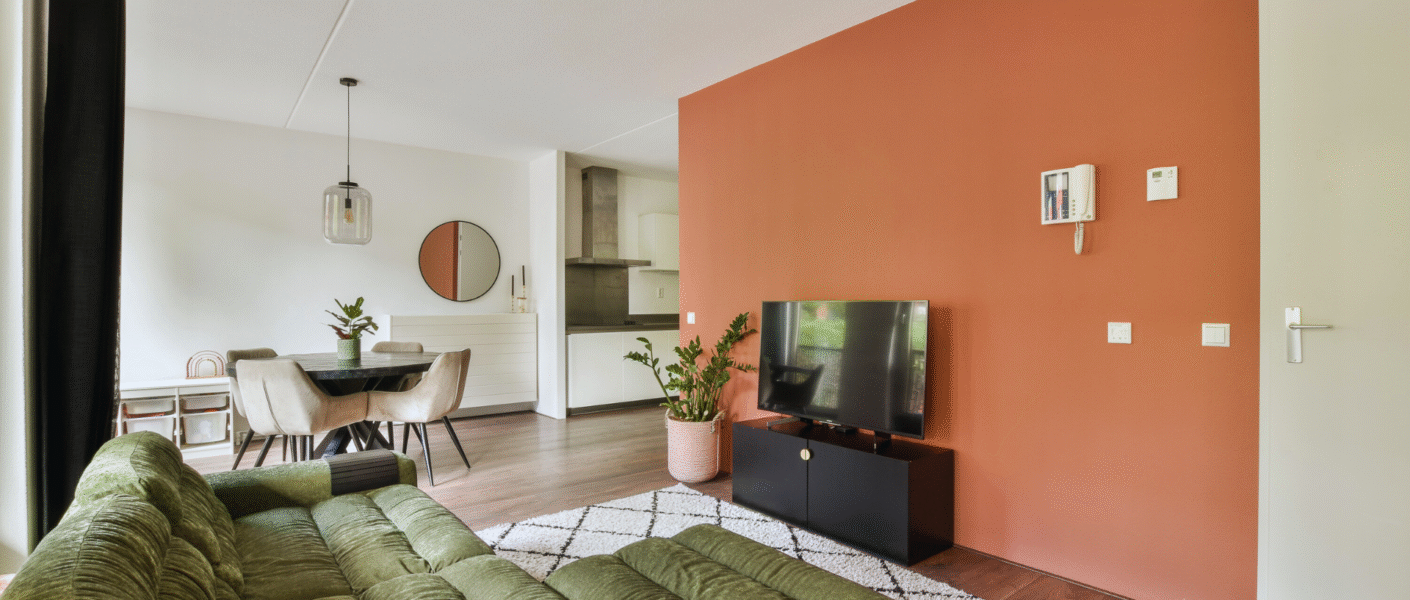
Seasonal home décor can elevate a space and bring a sense of joy, but it often comes with a hefty price tag. To save money on seasonal decorations, individuals can take advantage of DIY projects, shop sales, and repurpose items they already possess. With a little creativity and resourcefulness, transforming a home for the seasons becomes both affordable and fun.
The key to effective seasonal decorating lies in strategic planning. By browsing through local shops and online marketplaces during off-peak times, it’s possible to discover great deals on beautiful décor pieces. Additionally, investing in versatile items that can be adapted for different seasons can significantly reduce overall spending.
Embracing a minimalistic approach can also lead to savings. Individuals can focus on a few impactful pieces rather than cluttering their space with numerous decorations. This not only simplifies the decorating process but also keeps expenses in check, allowing for a more thoughtful selection of décor that complements one’s personal style.
Planning Seasonal Home Décor on a Budget
Creating seasonal home décor on a budget requires careful planning and strategic decision-making. By setting a budget, evaluating existing inventory, and prioritising goals, it becomes easier to achieve a festive atmosphere without overspending.
Setting a Realistic Budget
Establishing a budget is the first step in effective seasonal decorating. This process involves determining how much money can be allocated specifically for décor. It is prudent to consider expenses for items like decorations, materials for DIY projects, and potential storage solutions.
Creating a simple table can aid in visualising costs:
| Item Category | Estimated Cost | Actual Cost |
| Pre-made Decor | £50 | £ |
| DIY Supplies | £30 | £ |
| Storage Solutions | £20 | £ |
| Total | £100 | £ |
Adjustments to the budget can be made as needed based on priorities.
Evaluating Current Décor Inventory
Before purchasing new items, it is essential to assess what is already available. This evaluation can reveal items that may be reused or repurposed. Taking stock of inventory helps in identifying gaps and deciding whether new purchases will enhance the overall décor.
A checklist can streamline this process:
- Boxes of decorations: Review what can be reused.
- Seasonal textiles: Check for items like cushions and throws that can be switched out.
- DIY materials: Assess leftover supplies from previous projects.
By organising existing items, it becomes easier to allocate funds effectively.
Prioritising Decorating Goals
Establishing decorating goals helps to focus spending on the most impactful items. Identifying key areas in the home, like the living room or entrance, can lead to decisions that create dramatic effects with limited expenditures.
It is beneficial to create a prioritised list:
- Key Spaces: Living room, dining area, or front porch.
- Essential Themes: Choose one cohesive theme to guide purchases.
- Must-Have Items: Identify top decorations that will make the most impact.
Focusing on these priorities ensures that budget constraints do not compromise the aesthetic of seasonal décor.
Smart Shopping and DIY Solutions
Effective strategies for shopping and DIY projects can significantly reduce expenses on seasonal home décor. By using sales, exploring DIY ideas, repurposing items, and purchasing off-season, individuals can create beautiful spaces without overspending.
Finding Sales and Discounts
She should keep an eye out for seasonal sales and promotions at local shops and online retailers. Major holidays often bring substantial discounts on home décor items. Signing up for newsletters or loyalty programmes provides advance notice of sales and exclusive offers.
Additionally, using apps that track prices can help identify the best times to buy. Comparing prices across platforms ensures that she secures the best deals. Setting a budget beforehand helps to prevent impulse purchases when enticing decorations are on display.
DIY Décor Ideas for Every Season
Creating seasonal décor through DIY projects enhances creativity and reduces costs. For instance, she can utilise natural materials for autumn themes, such as leaves and pinecones. Crafting wreaths from these items adds a personal touch to her entrance.
In winter, homemade ornaments from recycled materials can adorn a tree beautifully without significant spending. Spring arrangements can be made using flowers sourced from her garden, while summer might invite the use of vibrant fabrics for festive table linens.
Instructional videos and blogs can provide guidance and inspiration for various projects, making it easier for her to tackle DIY décor with confidence.
Repurposing Existing Home Accessories
Repurposing items already in her home can breathe new life into seasonal décor without added expense. For example, she can transform everyday items like glass jars into candle holders or use old fabric to make festive bunting.
By rearranging furnishings or altering the colour scheme with simple accessories, she can create a fresh look for each season.
These approaches not only save money but also minimise waste, contributing to a more sustainable home environment. Creativity and resourcefulness lead to unique décor that reflects personal style.
Buying After-Season for Next Year
Purchasing seasonal décor after the season has ended is a smart financial move. Retailers often offer steep discounts on leftover items to clear inventory. She should take advantage of these sales and stock up on decorations for the following year.
Storing items properly ensures they remain in good condition for future use. Consideration of versatile pieces that can be adapted for different seasons further enhances savings. For instance, neutral décor can easily be accentuated with seasonal colours through accessories.
Planning ahead not only reduces costs but also ensures her home is ready to celebrate the seasons stylishly.
Cost-Effective Decorating for Popular Holidays
Cost-effective decorating can transform a home for the holidays without a hefty price tag. By focusing on affordable decorations, creative use of greenery, and refreshing items like throw pillows, anyone can create a festive atmosphere that suits their style and budget.
Affordable Christmas Decorations
Christmas decorations can be costly, but there are plenty of ways to save. DIY projects using items like pinecones, twine, and recycled glass can create personalised ornaments and centrepieces.
Thrift shops and second-hand stores often have unique decorations at low prices. It’s possible to find vintage ornaments or classic holiday items that stand out.
Creating a cohesive colour scheme with inexpensive lights or garlands also helps to unify the décor while maintaining affordability.
Budget-Friendly Greenery and Accent Pieces
Greenery adds a fresh touch to holiday décor. Instead of purchasing expensive pre-made arrangements, consider making wreaths using wild greenery or branches. These can be adorned with inexpensive ornaments or ribbons.
Potted plants such as poinsettias can bring colour indoors and are typically affordable. Buying seasonal greenery from local markets, rather than large retailers, can also offer better prices and quality.
Incorporating natural elements, such as branches or eucalyptus, infuses spaces with a festive feel without overspending.
Inexpensive Ways to Refresh Throw Pillows
Throw pillows can significantly change the look of a room. To save money, consider buying inexpensive pillow covers rather than whole new pillows. These covers can often be found at discount retailers or online.
Using fabric paint or appliqués can also customise existing pillows to match holiday themes. Seasonal colours or festive patterns can easily refresh a space.
Lastly, mixing textures and patterns with low-cost items can create a cosy and inviting atmosphere without a large financial investment.
Maximising Savings During the Holiday Season
The holiday season often brings additional expenses and the potential for overspending. Strategic planning can help manage these costs while still celebrating the festive period joyfully.
Managing Extra Holiday Expenses
Creating a detailed budget is essential for managing holiday expenses. She should list all anticipated costs, including decorations, gifts, travel, and parties. By allocating specific amounts for each category, it becomes easier to track spending and avoid unnecessary financial strain.
Utilising cash envelopes can also be beneficial. She might set aside cash for each category, ensuring she does not exceed her budget. Additionally, she could look for promotions and discounts weeks in advance, leveraging sales events to buy decorations and gifts at a reduced cost.
Hosting Cost-Conscious Holiday Parties
Hosting holiday parties does not need to be an expensive endeavour. A simple way to cut costs is to opt for potluck-style gatherings. Guests can bring dishes, reducing the host’s food expenses significantly.
Instead of extravagant decorations, she can use items already found in her home. Handmade decorations or those crafted from natural materials can create a festive atmosphere without significant expense. Furthermore, planning activities that require little to no cost, such as games or white elephant gift exchanges, can enhance the experience without overspending.
Incorporating Gift-Giving into Décor Strategies
Gift-giving can be integrated into holiday décor to maximise both purpose and aesthetics. She might consider using gifts as part of the decoration scheme by wrapping them creatively and displaying them around the home.
Choosing gifts that also serve as seasonal décor is another way to save money. For example, a beautiful ornament or a small plant can enhance the festive atmosphere while providing a thoughtful present. By merging decoration and gift-giving, she can create a cohesive look while maintaining her budget.