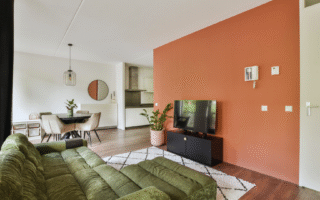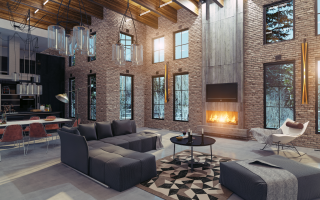

Creating a minimalist home involves more than simply decluttering; it requires a thoughtful selection of essential items. The must-have items for a minimalist home include multi-functional furniture, quality storage solutions, and a curated selection of decor that adds value without cluttering the space. These components not only enhance functionality but also contribute to a serene and aesthetically pleasing environment.
In a minimalist home, less truly is more. Each item should serve a purpose while reflecting the owner’s personal style. Emphasising quality over quantity allows for a more sustainable approach to home living and can lead to reduced stress and improved focus.
By embracing minimalism, one can create a space that is both inviting and efficient. Identifying which items are truly necessary makes it easier to curate a home that embodies simplicity and elegance, promoting a sense of calm.
Foundational Principles of a Minimalist Home
Creating a minimalist home involves understanding specific principles that prioritise simplicity, functionality, and personal style. The following sections explore key concepts such as the essence of minimalism, the importance of decluttering, and the balance between functionality and aesthetics.
Understanding Minimalism
Minimalism is more than just a design choice, it’s a way of living with intention. It emphasizes simplicity, clarity, and purpose by removing unnecessary clutter, both physical and mental. When building from the ground up, collaborating with custom home builders allows for the creation of spaces that reflect these values. Features like open floor plans, built-in storage, and multi-use rooms are just a few examples of cool features to include in your new house, blending function with clean, modern design.
Key characteristics include:
- Fewer Items: Minimising possessions to only those that serve a purpose or bring joy.
- Clean Lines: Emphasising simplicity in furniture and decor, which creates a tranquil environment.
- Neutral Colour Palettes: Often utilising whites, greys, and natural tones to maintain a serene atmosphere.
Minimalism allows for clarity and focus in daily life, making it easier to appreciate what truly matters.
The Role of Decluttering
Decluttering is foundational to achieving a minimalist home. It requires a systematic approach to evaluating belongings and making mindful decisions about what to keep.
Steps for effective decluttering include:
- Assessing Needs: Identifying items that are used regularly versus those that are rarely needed.
- Creating Categories: Sorting belongings into keep, donate, or discard piles.
- Routine Maintenance: Establish a habit of regular evaluation to prevent the accumulation of excess items.
This process not only clears physical space but also promotes mental clarity, supporting a minimalist mindset.
Balance Between Functionality and Aesthetics
Achieving a minimalist home is about finding harmony between functionality and aesthetic appeal. Each item should serve a purpose while contributing to the overall design.
To strike this balance, consider:
- Purposeful Design: Choosing furniture that is practical but also fits within the minimalist aesthetic.
- Quality Over Quantity: Investing in fewer, higher-quality items that elevate the space.
- Personal Style Integration: Incorporating personal touches through carefully selected art or accessories, ensuring they align with the minimalist vision.
This balance fosters an environment that is both livable and visually pleasing, reinforcing the principles of minimalism.
Essential Furniture and Decor for Minimalist Living
Creating a minimalist home involves careful selection of furniture and decor. Prioritising function and simplicity allows for a serene space that feels open and welcoming. Key elements include minimal furniture choices, the effective use of space, and a focus on neutral colours and textures.
Minimal Furniture Choices
In minimalist design, furniture should serve a clear purpose without excess. Essential items include a simple sofa, a functional dining table, and a versatile bedframe. Each piece should balance comfort and aesthetics. Materials like wood or metal can enhance the minimalist approach.
Select furniture with clean lines and a clutter-free appearance. Multi-functional pieces, such as ottomans with storage, can maximise utility without overcrowding. Avoid elaborate decorations or ornate designs. Instead, focus on quality materials that combine durability with minimalism.
Embracing Empty Space
Empty space plays a critical role in minimalist living. It allows the eye to rest and promotes a feeling of openness. She advocates for a layout that avoids overcrowding, enabling flow and functionality.
Keep areas around furniture clear to create visual separation. This spacing helps highlight key pieces, drawing attention to their simplicity. When done correctly, empty space can become a focal point, contributing to the overall aesthetic.
Selecting Neutral Colours and Textures
Colour palette choices are vital in achieving a minimalist environment. Neutral colours, such as whites, greys, and beige, create a calm atmosphere. These hues can make spaces appear bigger and more serene, promoting relaxation.
Incorporate various textures through fabrics and finishes. Soft textiles on cushions or throws can add warmth without overwhelming visuals. Balanced use of texture complements the minimalist philosophy, making the space feel inviting.
Overall, maintaining a cohesive look with neutral tones and subtle textures allows for a harmonious environment that supports minimalist living.
Room-by-Room Minimalist Essentials
A minimalist home focuses on functionality and simplicity. Each room should contain only essential items that promote a sense of order and peace.
Minimalist Bedroom Must-Haves
In the minimalist bedroom, the bed remains the focal point. A bed with built-in storage can help eliminate excess furniture. Opting for a simple bedside table provides space for a lamp and a book without clutter.
Curtains should be lightweight and unobtrusive, allowing natural light to flow in. Smart lighting is also essential; it offers flexibility while enhancing the atmosphere. An open space around the bed invites relaxation, making the room feel larger and more serene.
Living Room Simplicity
In the living room, fewer items yield a more inviting space. A comfortable sofa serves as both seating and a design element. Consider a sleek coffee table that offers storage to reduce visible clutter.
Utilising multifunctional furniture, like an ottoman that doubles as a storage box, can maximise utility. Accessories should be limited to a few meaningful pieces, enhancing the room’s aesthetic without overwhelming it. Design should encourage relaxation and conversation, maintaining open sightlines and flow.
Streamlined Kitchen and Dining
The minimalist kitchen prioritises efficiency. Essential appliances like a blender and a toaster should be compact and easily accessible. Open shelving can replace bulky cabinets, displaying only necessary dishware and utensils.
A simple dining table, with comfortable chairs, enhances the dining experience without excessive ornamentation. Fewer items in view help maintain order. Choose a few versatile serving pieces that complement various occasions, contributing to a tidy environment.
By focusing on key essentials in each room, a minimalist home creates a harmonious living space that promotes calm and clarity.
Creating a Comfortable and Practical Minimalist Home
A comfortable minimalist home prioritises functionality and aesthetics, ensuring each item serves a purpose. Incorporating elements like plants and natural light enhances the living space while practical strategies ensure ease of maintenance.
Incorporating Plants and Natural Light
Plants significantly contribute to a comfortable, minimalist environment. They introduce colour and life, helping to purify the air. Select low-maintenance varieties, such as snake plants or pothos, to fit a busy lifestyle.
Natural light creates an inviting atmosphere, enhancing the overall aesthetic. Opt for sheer curtains to allow light penetration while maintaining privacy. Strategically placing mirrors can help reflect light, making spaces feel larger and more open.
Combining plants with natural light not only elevates the interior design but also fosters a sense of well-being.
Repurposing and Home Care Strategies
Repurposing items can contribute to a minimalist ethos. For example, an old ladder can become a stylish bookshelf, while glass jars can serve as storage for kitchen essentials. Such creative solutions reduce clutter and highlight personal style.
Routine home care is vital for maintaining a minimalist space. Establish a cleaning schedule, focusing on high-traffic areas. Use multi-functional cleaning products to simplify the process.
Tidy spaces promote relaxation and comfort, key elements of minimalist living. Investigating eco-friendly cleaning options also aligns with a sustainable lifestyle.
Making Spaces Easier to Clean
A practical minimalist home design emphasises simplicity in cleaning. Select furniture with smooth surfaces and avoid intricate detailing that collects dust. Consider utilising storage solutions that keep items out of sight, reducing visual clutter.
Implementing modular furniture can aid in layout flexibility. These pieces allow for easy rearrangement and cleaning beneath them.
A consistent decluttering routine ensures spaces remain clean and organised. Adopt the “one in, one out” rule to manage new acquisitions and maintain a balanced environment.