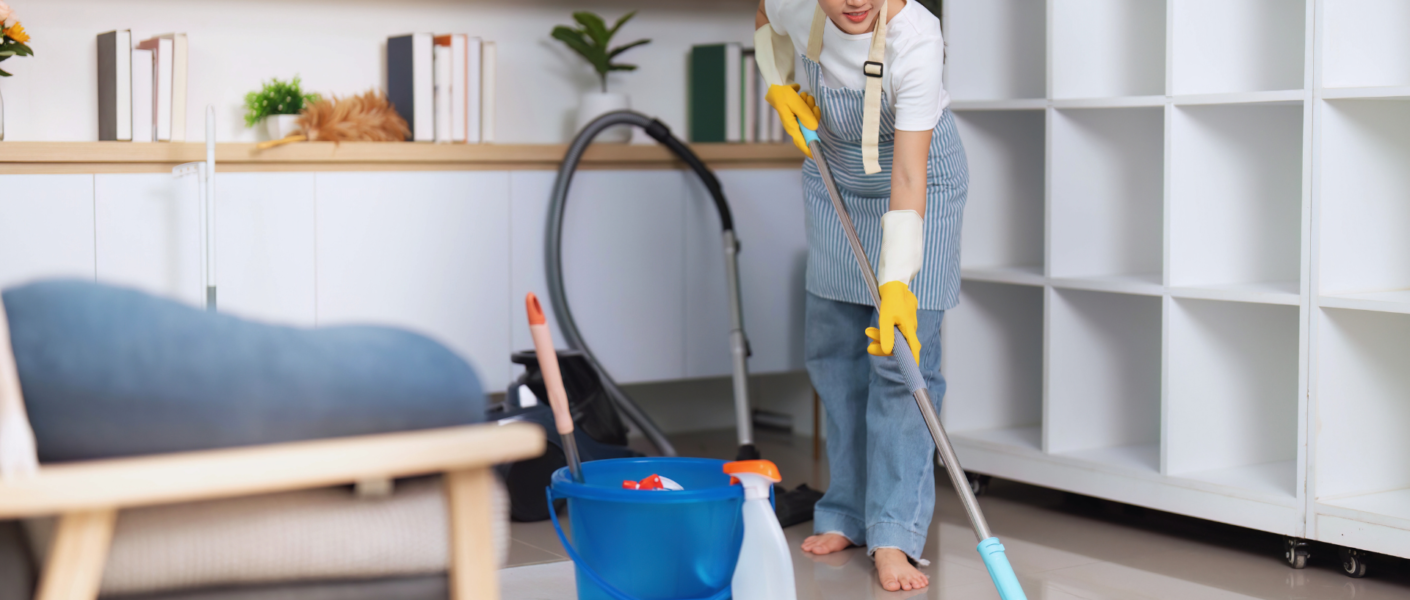
Deep cleaning a home can feel overwhelming, but it doesn’t have to be. Breaking the task into manageable steps and focusing on one area at a time is the key to deep cleaning without stress. This approach helps maintain focus and keeps the process from feeling endless.
Many people avoid deep cleaning because they try to do everything at once. Instead, creating a simple plan that outlines what to clean and when allows for steady progress. A clear strategy makes the whole task more achievable and less daunting.
Overcoming the Overwhelm: Mindset and Preparation
Managing the mental and emotional barriers before deep cleaning makes the task more achievable. Knowing the reasons behind feeling overwhelmed, adjusting one’s attitude towards clutter, and setting achievable goals can create a smoother cleaning process.
Understanding the Causes of Overwhelm
Overwhelm often stems from the sheer volume of clutter and the uncertainty of where to start. When faced with numerous tasks, the brain can feel overloaded, making it harder to focus. Physical clutter adds to this by creating visual chaos and mental distraction.
Time pressure also intensifies overwhelm. Trying to deep clean in one go or within an unrealistic timeframe can make the process feel insurmountable. Understanding these triggers helps in breaking the task into manageable parts.
Shifting Your Perspective on Clutter
Seeing clutter as just ‘stuff’ rather than emotional baggage can ease the burden. Clutter often holds sentimental or habitual value, but recognising it as something that can be sorted or removed is vital.
She should focus on the benefits of decluttering, such as regaining space and improving mental clarity. Viewing clutter as temporary and fixable encourages action instead of avoidance. This mindset shift sets a practical tone for deep cleaning.
Setting Realistic Expectations for Deep Cleaning
Deep cleaning doesn’t require perfection in one session; it is a process. Setting clear, specific goals for each cleaning session prevents burnout and procrastination.
Using simple tools like checklists or timers helps maintain focus. Breaking tasks into zones or categories (e.g. kitchen surfaces, bedroom floors) ensures priority areas get addressed. Realistic expectations balance effort and outcome effectively.
Decluttering Before Deep Cleaning
Preparing a space for deep cleaning requires clear, focused decluttering. Applying simple, well-defined techniques reduces stress and prevents clutter from obstructing the cleaning process.
Room-by-Room Decluttering Strategies
Breaking down decluttering by room helps maintain focus and manageability. Start with smaller spaces like bathrooms or bedrooms before tackling larger, more complex areas such as kitchens or living rooms.
They should sort items into four categories: Keep, Donate, Recycle, and Dispose. Using labelled bins or bags clarifies decisions and streamlines the process.
Working systematically, they can identify surfaces and floors free of clutter, providing ready access for deep cleaning.
Managing Sentimental Items and Decision Fatigue
Sentimental items often cause hesitation during decluttering. Setting a specific time limit for decisions — for example, 5 minutes per item — can reduce emotional strain.
It helps to take photographs of sentimental items before donating or discarding, preserving memories without physical clutter.
To avoid decision fatigue, regular breaks and maintaining a steady pace prevent overwhelm. Prioritising urgent decluttering tasks keeps progress consistent.
Establishing Declutter Zones and Donation Systems
Creating designated declutter zones in the home provides a focused area for sorting items. This might be a corner of a spare room or a section of the garage.
A clear system for donations encourages quick removal of unwanted items, preventing recollection. Labelled boxes for “Donate,” “Sell,” and “Recycle” keep items organised.
Scheduling regular collection or drop-off days ensures the decluttered items leave the home swiftly, maintaining a clutter-free environment in preparation for deep cleaning.
Step-By-Step Deep Cleaning Without Stress
Deep cleaning a home becomes manageable with a clear focus on planning, task segmentation, effective time management, and concentrating on key areas that maximise results. Breaking down the process prevents overwhelm and fosters steady progress.
Creating a Manageable Cleaning Plan
A good cleaning plan starts with listing every area that needs attention. It should divide the home into rooms or zones, specifying tasks for each, such as dusting, vacuuming, or sanitising surfaces.
A simple checklist or spreadsheet can track progress and avoid missed spots. The plan must remain flexible to adjust based on available time or energy.
Setting realistic goals for each session helps prevent burnout. For example, aiming to deep clean one room per day reduces pressure and overall fatigue.
Breaking Tasks into Manageable Segments
Large tasks should be split into smaller actions to maintain motivation. Cleaning a kitchen cabinet might involve removing items, wiping shelves, and organising contents.
Breaking work into 15-30 minute segments avoids fatigue and keeps focus sharp. Tackling one segment at a time makes the overall job seem less daunting.
Using timers or alarms can help keep track without becoming distracted. Completing each segment provides a sense of accomplishment and visible progress.
Time-Blocking and Taking Breaks for Balance
Scheduling dedicated cleaning blocks in a day’s agenda ensures consistent effort. Time-blocking means setting specific start and end points for deep cleaning activities.
Frequent short breaks refresh energy and reduce stress. It’s useful to follow a pattern such as 25 minutes of cleaning with a 5-minute rest.
During breaks, hydration and light stretching support physical well-being. This approach keeps cleaning productive without causing exhaustion.
Prioritising High-Impact Areas
Focusing on spaces with the greatest visibility or use delivers the biggest improvement. Entryways, kitchens, and bathrooms often benefit most from deep cleaning.
Prioritising tasks like cleaning floors, sanitising countertops, and clearing clutter in these areas makes a noticeable difference in the home’s overall cleanliness.
Heavily used spots often accumulate dust, grime, and bacteria faster, so addressing them first maintains a healthier and more inviting environment.
Maintaining an Organised and Clean Home
Consistent effort is essential to keep a home both organised and clean. Creating manageable routines, adopting simple habits, and engaging everyone in the household are effective ways to maintain order without feeling overwhelmed.
Establishing Daily and Weekly Routines
Daily routines keep clutter and dirt from building up, ensuring the space remains manageable. Simple actions like making the bed each morning, wiping kitchen surfaces after use, and doing a quick sweep of high-traffic areas prevent mess from accumulating.
Weekly tasks such as vacuuming, dusting, and cleaning bathrooms provide deeper maintenance without requiring excessive time. Scheduling these tasks on specific days helps create predictability and reduces procrastination.
Using checklists or planners for daily and weekly chores makes it easier to track progress and maintain accountability. This consistency supports a clean home with minimal effort over time.
Simple Habits for Lasting Organisation
Implementing straightforward habits enhances long-term organisation. For example, always returning items to their designated places immediately stops clutter from spreading.
Breaking down tasks into small, focused actions makes upkeep less daunting. Spending just 5-10 minutes tidying a single room daily keeps spaces orderly without overwhelming effort.
Using labelled storage bins and clear containers creates a visually organised environment. This not only speeds up tidying but also helps everyone recognise where items belong, reinforcing organisation.
Involving the Whole Household
A clean, organised home requires shared responsibility. Assigning age-appropriate tasks to each household member ensures that cleaning does not fall on one person alone.
Creating a chore rota encourages fairness and accountability. It also helps establish a routine for everyone, increasing cooperation and reducing resistance to tidying.
Regular communication about the importance of these tasks reinforces the value of a clean home. When everyone participates, maintenance feels less like a burden and more like a collective habit.