Creating a stylish home that suits real life means balancing aesthetics with practicality. It requires choosing designs and materials that not only look good but also stand up to daily use.
The key is to prioritise functional style: selecting durable furniture, clever storage solutions, and easy-to-maintain finishes that complement the homeowner’s lifestyle. This approach ensures the space remains attractive without sacrificing comfort or convenience.
A stylish home should reflect personal taste without ignoring the demands of everyday living. By focusing on realistic choices, anyone can achieve a living space that is both elegant and livable.
Balancing Style With Real-Life Functionality
Creating a home that looks good and works well requires thoughtful choices around daily use and space design. Practicality must complement aesthetics, ensuring rooms serve their intended purposes without sacrificing style or flow.
Understanding Everyday Needs and Lifestyle
Assessing how occupants use their home daily is essential. A family with children needs durable materials and easy-to-clean surfaces to maintain appearance with less effort. Conversely, a professional working from home prioritises a quiet, organised home office with sufficient storage and natural light.
Storage solutions such as built-in shelves or stylish cabinets help keep functional spaces tidy. Traffic flow matters too; rooms should connect logically to prevent bottlenecks, especially in high-use areas like kitchens and living rooms.
Integrating Family and Practical Requirements
Balancing a stylish home with the demands of family life involves multi-purpose spaces. A playroom can double as a guest room by using fold-away beds or convertible furniture. This approach preserves space without cluttering.
Durable yet attractive furniture is key. Materials resistant to wear, like leather or treated fabrics, combine aesthetics with longevity. Creating zones within open-plan layouts, such as separating a dining area from a home office, maintains order and supports different activities simultaneously.
Flexible Layouts and Multi-Purpose Spaces
Flexible layouts adapt to changing needs, making homes more functional. Movable partitions or sliding doors allow rooms to open up or close off as required. This is vital in smaller homes, where a spare room might function as an office, gym, or guest bedroom.
Incorporating multi-use furniture, such as extendable tables or storage ottomans, enhances versatility. Floor plans that encourage free movement reduce clutter and improve home flow, allowing style to coexist with everyday practicality.
Designing Spaces for Comfort and Durability
Creating a home that balances style with practicality requires careful choices in materials, furniture, and layout. This approach prioritises longevity and daily function without sacrificing aesthetic appeal.
Selecting Durable and Versatile Materials
Choosing materials that withstand wear and tear is essential for a home built for real life. Natural materials like hardwood flooring and stone countertops are durable, easy to maintain, and add timeless character.
Upholstery made from performance fabrics or leather resists stains and damage, perfect for high-traffic areas or homes with children and pets. Classic furniture pieces with solid frames also last longer and adapt well to various styles over time.
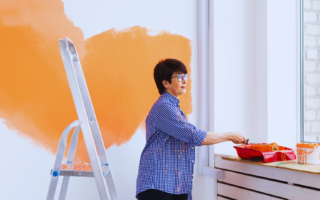
Feature walls using textured paint or durable wallpaper can create interest without compromising on practicality. Avoid delicate finishes that show scratches easily. This thoughtful selection reduces the need for frequent replacements.
Smart Storage Solutions for an Organised Home
Effective storage keeps a home functional and clutter-free. Built-in units and multi-purpose furniture, such as a sofa bed with under-seat storage, maximise space without crowding rooms.
Storage systems should be flexible, allowing for easy reorganisation as needs change. Use clear containers, labelled boxes, and adjustable shelving for efficiency. Vertical storage helps maintain floor space, critical in smaller homes.
Incorporating natural materials like wicker baskets adds warmth while serving a practical purpose. Proper storage ensures everyday items have dedicated places, supporting a neat and comfortable environment.
Adapting to Changing Family Needs
Homes must evolve with their inhabitants. Rooms designed with multifunctional uses accommodate shifting needs, such as a home office doubling as a guest bedroom.
Furniture that’s flexible and durable, like extendable tables or modular seating, supports different activities and family sizes. Planning for growth or downsizing avoids costly renovations.
Incorporating classic furniture can offer a timeless appeal that fits various settings over time. Designers should consider future family stages when choosing layouts and furnishings to maintain long-term comfort and usability.
Creating Visual Ambience and Style
Balancing light, colour, and texture is essential for a stylish home that suits everyday living. Thoughtful choices in window treatments, colour schemes, textiles, and décor pieces help create layers of interest while maintaining functionality.
Enhancing Natural Light and Window Treatments
Maximising natural light improves both mood and the perception of space. Installing skylights or choosing large windows can brighten dark areas effectively.
Window treatments should allow for flexibility: lightweight, sheer curtains filter light softly, while blinds or heavier drapes provide privacy and control glare when needed. Neutral tones in fabrics prevent overwhelming the room, keeping the atmosphere calm and inviting.
Layering treatments—for example, combining blinds with curtains—enables adaptability according to time of day and activity. Reflective surfaces like mirrors opposite windows amplify natural light further, increasing the feeling of openness.
Choosing Colour Schemes and Accent Colours
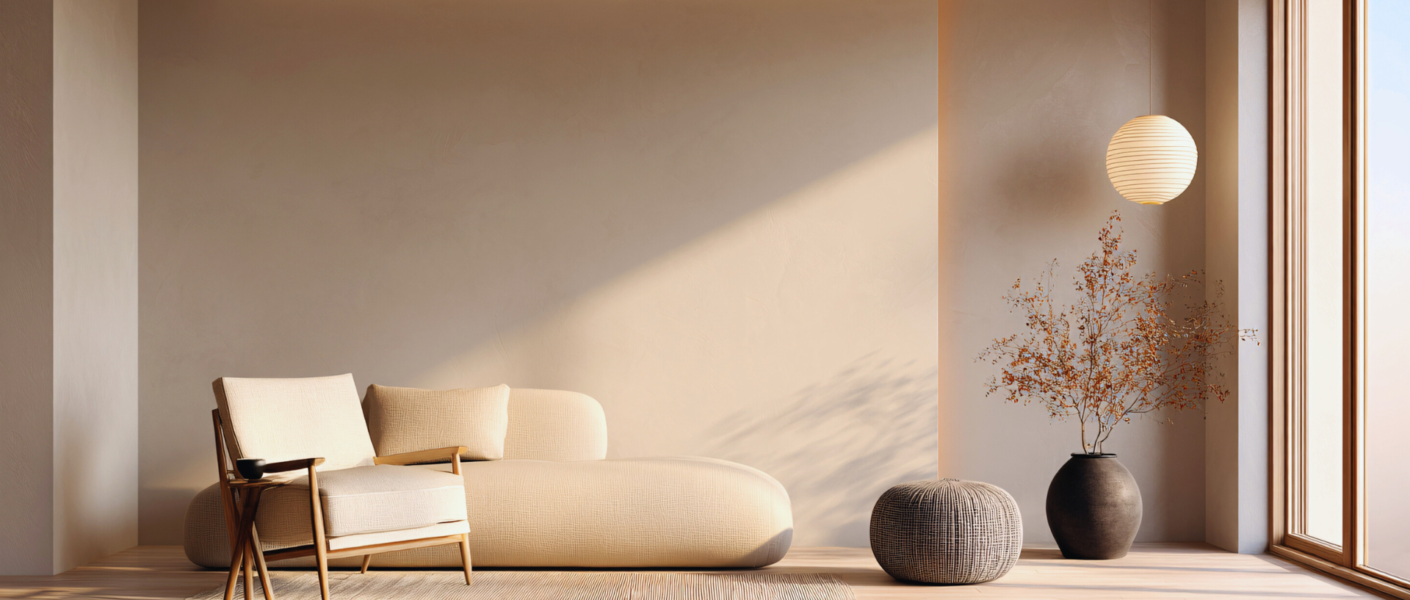
Starting with a neutral colour palette establishes a versatile base that suits various styles and integrates well with natural light. Whites, beiges, and soft greys form a subtle backdrop.
Accent colours add personality and dimension without reducing practicality. They work well in small doses on cushions or statement walls. Popular accent colours include muted blues, earthy greens, or rich terracotta, which blend easily with neutrals and suit different lighting conditions.
To avoid visual clutter, limit the accent colours to two or three tones per room. This maintains cohesion while allowing for seasonal switches or simple updates through accessories.
Incorporating Texture, Rugs, and Cushions
Texture is key to adding warmth and comfort without excess decoration. Rugs can define spaces and soften hard floors, with choices ranging from natural fibres like jute for durability to plush wool for warmth.
Cushions contribute both style and comfort. Mixing fabrics such as linen, velvet, and cotton in different patterns and weaves adds subtle variety. Stick to a consistent colour palette to keep the look unified.
Layering textures ensures the room feels tactile and inviting but avoids overloading the senses. This approach works well for active family spaces where both style and practicality are priorities.
Showcasing Statement and Personal Pieces
Statement pieces create focal points and reflect personality. A bold piece of wall art or a vintage armchair can anchor a room visually without compromising usability.
Personal items like collectables or family photos, displayed thoughtfully, add individuality. Grouping smaller pieces on shelves or dispersing a few large items around the home balances interest across spaces.
Furniture and décor chosen for function should also possess distinctive design details—such as unique shapes or finishes—to blend style with day-to-day living seamlessly.
Modern Enhancements and Finishing Touches
Stylish homes balance practical upgrades with aesthetic details to improve everyday living. Thoughtful additions include technology, lighting, and outdoor improvements that work together to elevate comfort and function.
Integrating Smart Home Technology
Smart home technology should focus on convenience and energy efficiency. Installing smart thermostats allows precise temperature control, which reduces utility costs and maintains comfort. Security systems with connected cameras and motion sensors enhance safety without complicating daily routines.
Voice-controlled assistants integrate various devices, simplifying operations like lighting, heating, and entertainment. When selecting technology, prioritise systems that blend discreetly with existing décor to maintain a cohesive look. Compatibility between devices ensures smooth interaction and easier management.
Refining Lighting and Fixtures
Lighting plays a crucial role in both atmosphere and practicality. Layered lighting—ambient, task, and accent—creates flexibility for different needs and moods. Installing LED fixtures is energy-efficient and offers a wide range of colour temperatures.
Selecting fixtures with clean lines and modern materials such as matte black or brushed brass complements most contemporary styles. Dimmers add control, allowing adjustment according to natural light or activity. Rearranging furniture can maximise natural light, reducing reliance on artificial sources.
Enhancing Outdoor Living Areas
Outdoor spaces like decks and patios extend the home’s usable area and add lifestyle value. Incorporating natural elements such as stone, wood, and plants creates a seamless transition between inside and outside.
Furniture chosen for durability and comfort encourages frequent use. Adding features like weather-resistant lighting or a retractable awning improves functionality in various weather conditions. Smart irrigation systems maintain greenery efficiently without manual effort.