
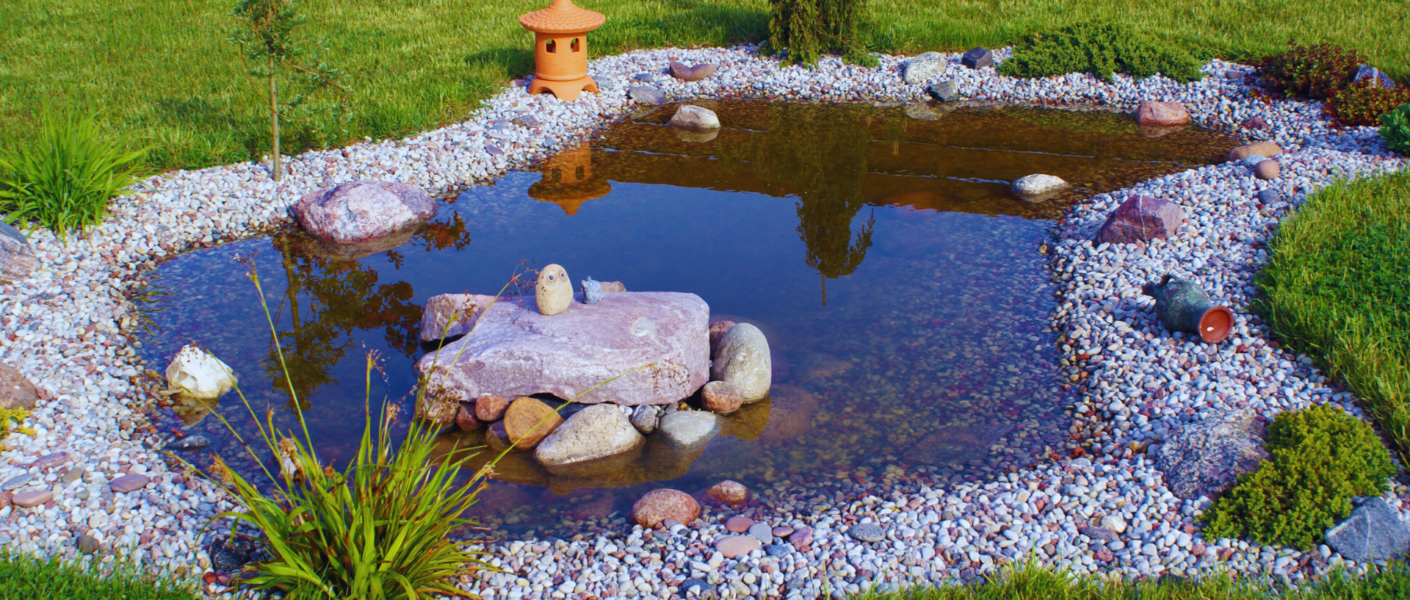
Creating a garden pond can transform any outdoor space into a serene retreat. To build a pond successfully, one must begin by selecting the right location and planning the design to suit the landscape. This process not only enhances the aesthetic appeal of the garden but also fosters a habitat for local wildlife.
When considering pond construction, it is important to think about the size, shape, and depth. A well-thought-out plan ensures that the pond complements the surrounding environment and meets the owner’s needs for enjoyment and maintenance.
In addition to the basic structure, incorporating elements like aquatic plants and fish can add vibrancy to the pond. Understanding the requirements for these additions will allow for a thriving ecosystem and a more enjoyable outdoor experience.
Planning Your Garden Pond
Establishing a garden pond requires careful consideration of various factors. Key elements include the pond’s location and size, the selection of appropriate liners, and the impact on local wildlife and plants.
Determining Location and Size
The chosen location for a pond significantly influences its functionality and aesthetic appeal. It is essential to position it where it receives a balance of sun and shade to support aquatic life while preventing excessive algae growth. For optimal enjoyment, placing the pond within view of the house or patio is advisable.
Size is another critical aspect. A small pond, ideally between 1 to 3 square metres, suits limited spaces and can host certain wildlife. Larger ponds, over 5 square metres, allow for a more diverse ecosystem, including amphibians and various pond plants. Pond shapes can vary; natural, irregular shapes often blend better with garden landscapes than formal, geometric designs.
Choosing the Right Pond Liner
Selecting a suitable pond liner is vital for maintaining water integrity and ensuring longevity. Common materials include flexible plastic liners and pre-formed shells. Flexible liners, such as EPDM (ethylene propylene diene monomer), offer versatility in shaping and are durable against weather extremes.
For smaller ponds, pre-formed liners may be a practical choice due to ease of installation. It’s important to consider the thickness of the liner; thicker liners provide better resistance to punctures and roots. Additionally, ensuring that the liner is UV-resistant can help prevent degradation over time.
Considering Local Wildlife and Plants
Planning for local wildlife and plants will enhance the pond’s ecosystem. Incorporating native species is beneficial, as they adapt better to local conditions and attract a variety of wildlife, including frogs, dragonflies, and birds.
Designating shallow areas in the pond allows amphibians to thrive, providing safe breeding grounds. Adding a mix of submerged, marginal, and floating pond plants can improve water quality and provide a habitat for aquatic creatures.
Creating a wildlife pond involves balancing plant cover and open water to cater to different species. This can include ornamental plants for aesthetic appeal while ensuring essential habitats for beneficial wildlife.
Constructing the Pond
Constructing the pond involves several key steps to ensure a successful installation. Proper excavation, the use of a suitable pond liner, and the creation of marginal shelves are essential for functionality and aesthetics.
Excavating the Site
Excavation is the first critical step in pond construction. The area must be marked out to outline the desired shape and size. It’s advisable to create a plan that includes features like depth variations and shelves.
The depth of the excavated hole should accommodate both aquatic life and winter conditions, typically around 60-90 cm for most ponds. Care should be taken to remove rocks and debris, which can damage the pond liner.
Obtaining any necessary permits is crucial, especially in residential areas, to comply with local regulations. Hiring professional excavation and demolition services will make the task far more straightforward, particularly for larger ponds.
Installing the Pond Liner and Underlay
Choosing the right pond liner is vital for preventing leaks and ensuring durability. Options include butyl rubber, PVC, and EPDM, each with unique benefits in terms of flexibility and longevity.
Before laying the liner, a protective underlay should be placed to shield it from sharp objects in the ground. This underlay helps to prevent punctures and prolongs the life of the liner.
Once the underlay is in position, the liner is spread over the excavated hole, ensuring it fits snugly without excessive folds. The edges can then be secured with stones or soil to keep the liner in place, allowing for adjustments to the final shape as needed.
Creating Marginal Shelves
Marginal shelves enhance the pond’s habitat and aesthetic appeal. These are shallow areas along the edges of the pond, typically 15-30 cm deep, allowing plants to grow and provide shelter for wildlife.
Construction begins by excavating sections at varied depths. This adds visual interest and creates diverse ecological niches within the pond.
Choosing the right plants is important; species like water lilies or rushes thrive well in these conditions. The placement of the shelves should complement the pond’s design and facilitate access for maintenance.
Overall, the marginal shelves play a crucial role in supporting biodiversity while enhancing the pond’s overall appearance.
Pond Features and Filtration
Creating a harmonious ecosystem in a garden pond involves selecting the right pond pump and filter, adding water features for aesthetics and functionality, and managing algae and water quality effectively. These elements are crucial for maintaining a balanced environment that supports both plant life and wildlife.
Selecting a Pond Pump and Filter
Choosing the right pond pump involves assessing the pond’s size and the desired flow rate. A general guideline is to select a pump that circulates the entire volume of the pond every two hours. For example, a 1,000-litre pond should have a pump with a flow rate of at least 500 litres per hour.
Filters are essential for maintaining water clarity and quality. A mechanical filter removes debris, while a biological filter breaks down harmful substances. An ideal filtration system combines both types, ensuring clean water and a stable environment for aquatic life.
Incorporating Water Features
Water features enhance both the beauty and functionality of a garden pond. Cascading waterfalls, for instance, not only aerate the water but also create visual interest. It is important to ensure the water feature is proportional to the pond size for a balanced look.
When adding features, consider the positioning of waterfalls or fountains. They should not disrupt the natural flow of water. Plants can also be positioned around these features to integrate them into the landscape, providing habitats for wildlife.
Managing Algae and Water Quality
Algae growth can easily overtake a pond if not properly managed. To prevent this, regular maintenance is key. Adding plants that naturally compete with algae for nutrients can help control excessive growth.
Using a filtration system effectively reduces excess nutrients in the water, aiding in clarity. Regular water testing is also beneficial; maintaining appropriate levels of pH and ammonia supports a healthier environment. Introducing beneficial bacteria can further enhance water quality, promoting a balanced ecosystem. Additionally, installing a pond aerator helps improve oxygen levels, which prevents stagnation and supports beneficial bacteria that naturally break down organic matter. Proper aeration also reduces the likelihood of algae blooms by promoting better water circulation and minimizing excess nutrients that contribute to unwanted growth.
The Ecosystem and Maintenance
Creating a balanced ecosystem in a garden pond requires attention to both aquatic life and regular maintenance. These aspects are essential for fostering biodiversity and ensuring the pond remains healthy and vibrant.
Introducing Aquatic Life
Incorporating a variety of aquatic life aids in establishing a balanced ecosystem. Frogs and their tadpoles thrive in ponds, contributing to natural pest control. Fish ponds may host species like koi, which add aesthetic value and assist in aerating the water.
In addition to fauna, aquatic plants such as hornwort, water forget-me-not, and brooklime play vital roles. These plants provide oxygen, shelter, and nutrition for various wildlife, including insects and dragonflies. Planting along the pond edges creates habitats for hedgehogs and birds, fostering a thriving microcosm.
Regular Maintenance Tasks
Maintaining the pond’s ecosystem involves several key tasks. Regularly removing debris and fallen leaves helps prevent algae growth and maintains water clarity. Monitoring water quality is crucial; testing for pH, ammonia, and nitrates ensures a healthy environment for aquatic life.
Additionally, performing a seasonal clean-out, including checking the health of aquatic plants, ensures they thrive. Trimming overgrown plants allows light to penetrate the water, promoting the growth of beneficial flora. Lastly, managing fish populations is essential; overstocking can lead to imbalances. Thus, regular care and observation help maintain the pond’s health and ecosystem.