
Reducing household bills can seem challenging, yet it is entirely achievable without compromising comfort. Simple adjustments in daily habits, smart investments in energy efficiency, and mindful purchasing can lead to significant savings. This approach allows individuals to enjoy their living spaces while keeping costs manageable.
Homeowners might overlook small changes that contribute to rising expenses. From adjusting thermostat settings to eliminating unnecessary subscriptions, these tweaks can have a substantial impact on monthly bills. By embracing sustainable practices, families can create a comfortable environment and promote savings at the same time.
With a few proactive strategies, it is possible to cut costs effectively. By focusing on energy-efficient appliances and mindful usage of resources, individuals can enjoy a warm, welcoming home without the burden of excessive bills. Exploring these avenues opens the door to smarter financial management.
Maximising Energy Efficiency Without Compromising Comfort
Improving energy efficiency can significantly lower utility bills without sacrificing comfort. Focusing on heating and cooling systems, choosing energy-efficient appliances, and reducing energy vampires are essential strategies for managing energy consumption effectively.
Optimising Heating and Cooling Systems
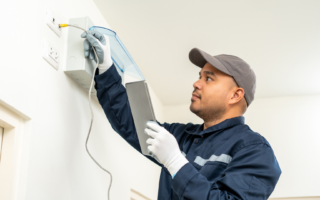
Efficient heating and cooling can dramatically reduce energy bills. A modern HVAC system with high energy ratings is crucial. Regular maintenance with a hvac contractor, such as changing filters and cleaning ducts, ensures optimal performance.
Installing a programmable thermostat allows for better control over temperature settings throughout the day. For instance, setting the thermostat to lower temperatures during the night or while away can lead to substantial savings. Smart thermostats offer advanced features such as learning user preferences and adjusting automatically, resulting in particularly efficient heating and cooling.
While smart thermostats and regular maintenance are key to optimizing heating, the choice of energy source itself plays a crucial role in overall system efficiency and reliability. For many homes, especially those beyond the natural gas grid, propane offers a highly efficient and versatile heating solution. Its clean-burning nature ensures consistent warmth, and modern propane systems are designed for optimal energy use, contributing to lower utility bills. Ensuring a reliable supply and expert installation of such systems is paramount for long-term comfort and savings, and companies like Seabreeze Propane specialize in providing comprehensive and customer-centric services for all your energy needs.
Selecting Energy-Efficient Appliances
When purchasing new appliances, look for the Energy Star label, which indicates models that consume less power. Energy-efficient appliances, including refrigerators, washing machines, and dishwashers, use advanced technology to minimise energy consumption while maintaining performance.
It’s beneficial to compare the power consumption of multiple models before making a decision. High energy ratings should guide choices; even a small difference in efficiency can lead to savings over time. In addition, opting for energy-efficient models can enhance comfort by providing better performance while keeping electricity costs down.
Reducing Energy Vampires in the Home
Energy vampires are devices that consume power even when turned off or in standby mode. They can contribute significantly to monthly energy bills. Identifying these devices is crucial for reducing energy consumption.
Using power strips can help manage energy vampires effectively. By connecting multiple electronics to a single power strip, it’s easy to cut power completely when devices are not in use. Encouraging habits like unplugging devices or using timers can further mitigate power consumption, ensuring household energy use remains efficient without sacrificing comfort.
Home Improvements for Reducing Bills
Making targeted home improvements can significantly lower household bills while maintaining comfort. Key strategies include enhancing insulation, upgrading lighting, and investing in energy-efficient windows. These changes can lead to reduced heat loss and energy consumption.
Enhancing Insulation and Draught-Proofing
Proper insulation plays a crucial role in maintaining a comfortable temperature indoors. Adding insulation to lofts, walls, and floors can minimise heat loss, which often accounts for a large portion of energy bills. Materials such as fibreglass, cellulose, or spray foam are effective options.
The attic is another important area that shouldn’t be overlooked. In most homes, it is one of the primary sources of heat loss, and upgrading attic insulation by improving the attic roof is one of the most efficient and cost-effective ways to reduce both heating and cooling expenses.
To ensure the insulation is up to standard, reach out to a Winnipeg Roofing company, or a trusted provider in any local area. Their team can evaluate the existing insulation and suggest the most suitable improvements to enhance energy savings and overall comfort. A professional assessment can also uncover hidden problem areas you might overlook on your own. Taking action early helps prevent energy loss and avoids higher utility costs down the line.
Once the right upgrades are identified, sourcing quality materials becomes the next important step. That’s where suppliers like Hampshire Insulations and similar others come in. They offer a range of insulation solutions suited for different parts of the home. Whether it’s for the attic, walls, or flooring, using dependable materials can make all the difference in how effective those upgrades turn out to be.
Draught-proofing is equally important. Homeowners should check for drafts around windows, doors, and vents. Simple measures, like weatherstripping, sealant, or draught excluders, can prevent cold air from entering and warm air from escaping.
Together, these methods optimise energy efficiency and contribute to lower heating costs.
Upgrading Lighting Solutions
Switching to energy-efficient lighting can have a noticeable impact on electricity bills. LED bulbs, for instance, consume approximately 75% less energy than traditional incandescent bulbs and last significantly longer.
CFL bulbs are another good option, but take longer to reach full brightness. Homeowners should replace old bulbs with energy-efficient alternatives to reduce consumption without sacrificing illumination quality.
Incorporating more natural light through strategic window placement or skylights can also lessen the need for artificial lighting during the day, further lowering energy usage.
Investing in Energy-Efficient Windows
Energy-efficient windows can effectively reduce both heating and cooling costs. These windows feature multiple panes and special coatings to minimise heat transfer, thereby decreasing reliance on heating systems.
When upgrading, look for windows with a low U-value, indicating excellent insulation performance. Proper installation is essential to prevent air leaks, which can undermine their benefits.
In addition, installing ceiling fans can complement energy-efficient windows by enhancing air circulation, allowing residents to feel comfortable at higher thermostat settings, thus reducing reliance on air conditioning.
Sustainable Water and Power Management
Efficient management of water and power not only reduces household bills but also supports environmental sustainability. Implementing practical solutions can enhance comfort without incurring extra expenses.
Conserving Water Without Discomfort
Introducing low-flow showerheads is an effective way to minimise water usage while maintaining a comfortable shower experience. These fixtures typically reduce water flow by up to 60% without sacrificing pressure.
Regular maintenance of water appliances, such as checking for leaks and insulating hot water pipes, can further conserve water and energy. Additionally, consider adjusting the thermostat on the water heater to a maximum of 60 C. This ensures efficient heating while preventing scalding, thus balancing comfort and safety.
Using a dishwasher instead of washing dishes by hand can also save both water and energy. Dishwashers consume less water per load compared to the average hand-washing session, leading to both savings and convenience.
Smart Metering and Monitoring Usage
Smart meters provide real-time data on water and energy consumption. By understanding usage patterns, households can identify areas for improvement.
These devices often come with apps that track daily consumption, making it easier to spot spikes in usage. This data empowers users to make informed decisions about when to use appliances, potentially shifting usage to off-peak hours when rates may be lower.
Installing timers or smart plugs for appliances can also help control energy usage. For instance, scheduling the washing machine to run during off-peak hours ensures that energy bills remain manageable while still leading a comfortable lifestyle.
Utilising Renewable Energy Sources
Integrating renewable energy sources can drastically reduce utility bills. Solar panels are a popular choice, converting sunlight into electricity for household use.
Wind turbines, although less common in urban areas, offer another option for energy generation, where applicable. Depending on the location, utilising these renewable sources can significantly cut down reliance on traditional power grids.
In addition to solar panels, consider investing in energy storage solutions, such as batteries, that store excess energy for later use. This enables households to benefit from generated energy even when the sun isn’t shining or the wind isn’t blowing.
By remaining proactive in managing water and power, households can achieve substantial savings while enjoying modern comforts.
Smart Habits and Everyday Energy Saving Tips
Implementing smart habits can significantly lower household expenses while maintaining a comfortable home. Simple changes in daily behaviour and routine maintenance can enhance cooling efficiency and reduce energy consumption.
Behavioural Changes That Save Money
Modifying daily routines can effectively decrease energy bills. For example, turning off lights in unoccupied rooms ensures energy is not wasted. Using natural light during the day also reduces reliance on electricity.
Setting thermostats efficiently plays a crucial role. During warm months, setting the thermostat a few degrees higher while using fans can maintain comfort without excessive energy use. Opting for energy-efficient appliances, such as LED bulbs and Energy Star-rated devices, is another impactful choice.
Being mindful of water usage impacts bills, too. Shortening showers and fixing leaks can lead to significant savings over time. Furthermore, unplugging chargers and electronics when not in use helps prevent small energy drains.
Routine Maintenance for Efficiency
Regular maintenance will enhance the efficiency of household systems. Changing filters in heating and cooling systems every few months optimises performance and air quality.
Cleaning refrigerator coils, ensuring proper airflow, can lead to lower energy consumption. It is also advisable to check seals on doors and windows, preventing drafts that compromise comfort and energy efficiency.
Using programmable thermostats allows precise control over heating and cooling schedules. This technology ensures energy is used only when necessary, enhancing overall system performance.
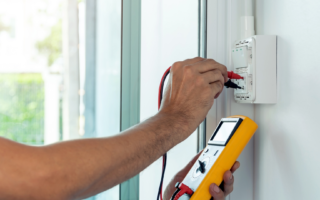
Lastly, having a professional energy audit can identify additional areas for improvement, guiding homeowners toward effective energy-saving measures tailored to their specific needs.