Tackling home improvements with children around requires careful planning and strict safety measures. It is essential to create a secure environment where kids are kept away from dangerous tools and hazardous materials. The key to safety is setting clear boundaries and preparing the workspace to prevent accidents before they happen.
Parents and carers should organise the area to limit access and use barriers or designated play zones to keep children occupied. Supervision is vital, but so is teaching children about the risks involved in a calm, age-appropriate way.
By combining practical safety steps with active supervision, home improvement projects can proceed without compromising the well-being of young ones. This approach minimises risk and helps maintain a smooth workflow throughout the task.
Prioritising Safety Preparations for Young Kids
Preventing access to dangerous areas and materials is crucial when working on home improvements with young kids nearby. Clear boundaries and secure storage help reduce accidents and keep children safe throughout the process.
Setting Up Child-Free Zones
Creating designated child-free zones stops young kids from entering work areas. These zones should be physically separated with safety gates, barriers, or locked doors where possible.
Mark the zones clearly with visible signs or bright tape to remind adults and older children that entry is restricted. Ensure these areas have good lighting and ventilation so workers can perform tasks safely without distractions.
Regularly check the effectiveness of the barriers and adjust them if kids find ways around. Limit all hazardous activities, such as cutting, sanding, or spraying, to these controlled zones.
Establishing Boundaries and Rules
Clear rules about where young kids can and cannot go must be communicated at the start. Use simple, direct language to explain why certain areas are off-limits and what behaviour is expected around the worksite.
Set consistent routines, such as always holding hands when moving through or near the workspace and don’t allow kids to run or play close to tools or materials. Reinforce these rules with positive reinforcement and reminders.
Involve older children in safety conversations, encouraging responsibility and awareness. This helps reduce curiosity-driven accidents and keeps the worksite orderly.
Storing Tools and Hazardous Materials Securely
All tools, nails, screws, chemicals, and paints should be stored out of reach of young kids, ideally in locked cupboards or high shelves. Portable toolboxes must be locked when not in use.
Label all hazardous substances clearly, and never leave tools unattended during breaks. Use safety covers on power tools and ensure blades or sharp edges are protected.
Dispose of waste promptly and either remove it from the home or store it securely. Regularly inspect storage areas for any gaps or loose locks to maintain constant safety.
Minimising Health and Safety Risks During Home Improvements
Managing health and safety during home improvements demands careful choices about materials, controlling dust and noise, and planning work around children’s daily routines. These steps reduce risks without compromising progress.
Using Low-Toxicity and Child-Friendly Materials
Choosing materials with low toxicity is essential. Paints labelled as low VOC (Volatile Organic Compounds) or water-based are safer than traditional solvent-based options. These emit fewer harmful fumes, reducing respiratory irritation and allergic reactions for young kids.
Glue, sealants, and finishes should also be selected for their non-toxic properties. Many brands now offer child-safe alternatives that avoid harsh chemicals like formaldehyde or benzene.
Labels marking products as non-flammable and free from heavy metals provide additional safety assurance. Always store materials out of reach and clearly mark containers to prevent accidental contact.
Reducing Exposure to Dust and Noise
Dust from sanding, cutting, and demolition can irritate children’s lungs and trigger asthma. Using dust extraction tools and wet methods to suppress dust is crucial. Seal off work areas with plastic sheeting to limit dust spread within the home.
Noise from power tools can harm young children’s hearing or disturb sleep routines. Ear protection and noise barriers limit exposure for both workers and children nearby. If possible, schedule particularly loud tasks when children are not present.
Ventilating the workspace well helps disperse dust and fumes quickly, improving air quality. Keeping windows open and using fans can prevent the build-up of airborne contaminants.
Scheduling Work Around Routine and Nap Times
Aligning work hours with children’s schedules lowers risks. Avoid noisy, dusty, or chemical-intensive tasks during typical nap times or early morning routines to reduce disturbance and potential health effects.
Plan quieter jobs, such as painting touch-ups or assembly, during periods when young kids are awake but able to stay elsewhere safely, like at school or daycare.
Clear communication with caregivers ensures that children are supervised or relocated during the most hazardous phases of work. This preventative action is vital to keeping children out of harm’s way without delaying the project.
Involving and Supervising Children Effectively
Involving children in home improvements requires clear boundaries and ongoing supervision. Tasks should match their abilities, and safety must be emphasised consistently.
Assigning Age-Appropriate Tasks
Children should only be given tasks that suit their physical and cognitive abilities. For young kids, simple activities like sorting screws or handing over tools under supervision work well.
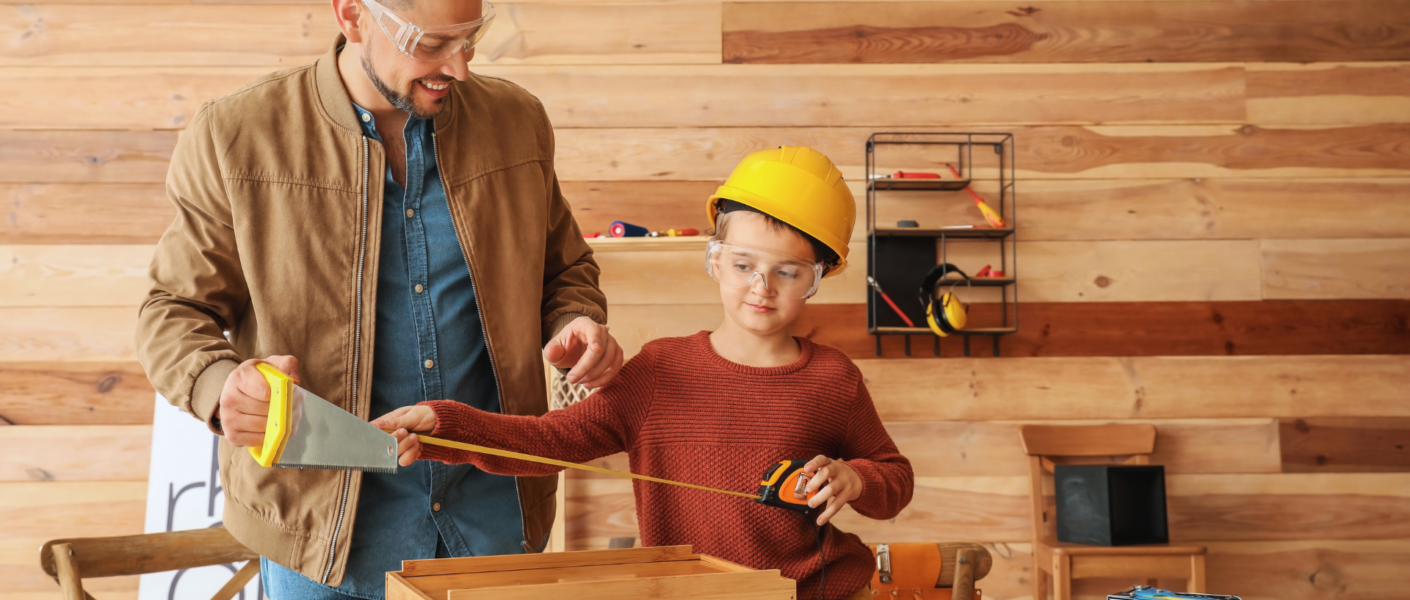
Avoid giving sharp tools or heavy materials to children under eight. Older children can help with measuring or light sanding, but always under close adult supervision. Clearly explain each task and the safety rules before they begin.
Using a checklist helps keep track of assigned tasks and ensures children understand what is expected. This reduces risks and helps maintain focus.
Teaching Safe Tool Handling
Children must learn how to handle tools safely before using them. Begin with basic information, such as never pointing tools at others and always keeping fingers away from cutting edges.
Demonstrate correct use of each tool and supervise practice closely. Emphasise wearing protective gear like gloves and goggles. Explain the importance of putting tools down immediately if they feel unsafe.
Parents or guardians should keep power tools out of reach and only allow use when they are present. Reinforce these safety behaviours regularly to build good habits.
Keeping Kids Engaged in Safe Activities
Young kids can quickly become distracted, so it is vital to keep them engaged in safe, productive tasks. Provide age-appropriate materials such as colouring sheets related to the project or simple building blocks.
Set clear time frames for activities and incorporate breaks. Offering praise for following safety rules encourages positive behaviour.
Create a designated safe zone nearby where children can watch or participate without risk. Keeping them involved reduces the temptation to wander into unsafe areas.
Maintaining a Safe and Organised Home Environment
Keeping the home tidy and hazard-free during improvements requires routine checks and clear barriers. This prevents accidents and helps maintain calm around young kids who may be curious.
Regularly Inspecting Work Areas
The work area should be inspected several times a day to identify any emerging risks. Tools left unattended, loose nails, or spilt paint can cause injury.
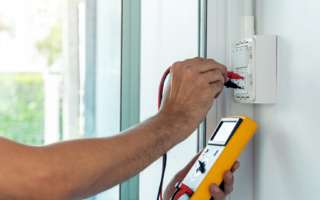
Create a daily checklist to monitor hazards such as sharp objects, exposed wiring, and unstable ladders. Remove or secure these immediately.
Floors must be clean and free of debris. Small items like screws or splinters can be choking hazards for young kids, so vacuuming or sweeping after work is essential.
Designate specific storage spots for tools and materials. This reduces clutter and keeps dangerous objects out of reach.
Childproofing Throughout the Project
Childproofing must be adapted continuously as the project progresses. Use physical barriers, such as safety gates, to restrict access to work zones.
Place warning signs to alert everyone when work is underway or when areas contain potential hazards.
Cover exposed outlets and secure power cords safely along walls or above reach levels. Chemical substances, including paint or solvents, should be locked away or stored high.
Encourage workers and adults in the household to remain vigilant. Establish and communicate clear rules about where children may or may not go during the improvement work.