
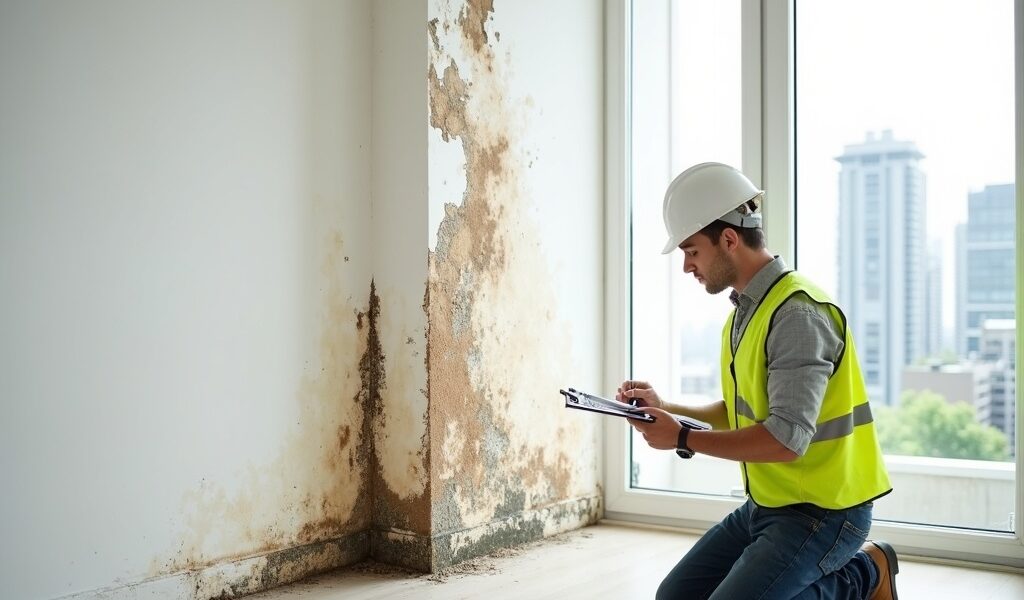
Leaks in a workplace are more than an inconvenience. They can ruin equipment, damage documents, and even stop a business from running as normal. Knowing how to spot the signs early and deal with them quickly keeps problems from growing. It is not just about fixing what you see, it is about noticing small changes before they turn into big repairs.
Why early action matters
Water moves quickly and seeps into places that are hard to reach. What looks like a small damp patch can spread behind walls or under carpets without being noticed. Over time, this can cause mould, bad smells, or even weaken parts of the building. It is easier and less expensive to deal with a small problem than to replace flooring, ceiling tiles, or electrical wiring later. That is why regular checks and quick action make such a difference.
Common warning signs to look for
The first sign is often a change in colour. Ceilings may show pale yellow or brown patches. Walls can develop faint streaks or bubbles under paint or wallpaper. On carpets, look for damp spots that return even after cleaning, or areas that feel softer than the rest. Sometimes the only clue is a musty smell in a certain part of the room, which can mean moisture is trapped somewhere out of sight.
Listen for unusual sounds as well. A faint drip or a hissing noise near pipes can signal a leak starting. In older buildings, pay attention to areas near radiators, air conditioning units, and kitchens, as these often have hidden water lines.
Acting quickly when you spot a problem
Once you see a possible leak, do not ignore it. The first step is to find the source. If the water is coming from a pipe, turn off the supply until repairs can be made. If it is rainwater coming through a roof or window, set up a temporary barrier to stop more water getting in. Move computers, printers, and paper files away from the wet area to keep them safe.
If water is on the floor near electrical outlets, switch off the power to that section before entering the area. Safety should come before clean up.
During these moments, it can be helpful to search for Flood Emergency Services to get a better idea of what actions to take. Even when you already know the basics, having extra guidance can make it easier to decide the next steps, especially if the leak is bigger than expected.
Drying the space
Getting rid of standing water is only the first part. The space also needs to dry fully to prevent further damage. Use mops, towels, or a wet vacuum to remove water from floors. Open windows if the weather allows, as fresh air helps speed up drying. Fans can move air across wet areas, and a dehumidifier will pull moisture out of the air and materials.
For carpets, check the underlay. It can hold a lot of water, and even if the surface feels dry, dampness underneath can lead to mould. If the underlay is soaked, it may need to be lifted or replaced. Hard flooring can trap water in the joins, so run a fan or heater nearby to help it dry fully.
Protecting walls and ceilings
Walls and ceilings can hide a lot of damage. If you see bubbling paint, sagging, or dark patches, these areas may need to be opened up so they can dry inside. Skirting boards can also trap moisture behind them. In some cases, small holes are drilled into hidden areas to allow air to flow through, which speeds up drying and helps avoid mould growth.
Ceilings that sag or drip should be treated as unsafe until checked. Water can collect above them and cause part of the ceiling to collapse. Clear the area below and keep people out until it has been assessed.
Keeping important items safe
Workplaces often have documents, electronics, and supplies stored in places where water could reach. Keeping these items in waterproof containers or higher shelves helps protect them. For critical documents, consider digital backups so there is always a safe copy. Cables and power strips should be kept off the floor where possible, so they are less likely to come into contact with water during a leak.
Setting up a regular check routine
A quick check once a month can catch a leak before it becomes serious. Look at ceilings for marks, check walls for damp patches, and make sure carpets are dry in all corners. Inspect around sinks, bathrooms, and kitchen areas for drips or pooling water. Look at the edges of windows after rain to see if any water has made it through.
Also check storage rooms, as these areas are often used less and small leaks can go unnoticed for longer.
Training staff to respond
Leaks can happen at any time, and the sooner someone notices, the better the outcome. Make sure all staff know the location of the main water shut-off valve and the fuse box. Keep instructions simple and visible. Assign someone to call for repairs or arrange professional help if a leak is found.
It also helps if staff know how to move important items quickly without blocking walkways or creating trip hazards. A short discussion during a staff meeting can make sure everyone is prepared.
Preventing leaks before they start
Some leaks can be avoided with maintenance. Check seals around windows and doors, and replace them if they start to wear out. Keep gutters clear so rainwater can drain away from the building. If the office has a flat roof, check it after storms for standing water, as this can slowly find its way through.
Pipes should be checked for rust or corrosion, and any unusual noises should be investigated. Air conditioning units and water coolers should be serviced regularly, as these can also be sources of hidden leaks.
Why prevention saves money and time
Dealing with a major leak can mean closing part of the office, moving staff, or replacing expensive equipment. Preventing a leak, or catching it early, is far less disruptive. Repairs are usually quicker, and drying takes less time. Staff can continue working with fewer interruptions, and important deadlines are less likely to be missed.
A leak might start small, but it never stays that way for long. Knowing the signs, acting fast, and keeping up with basic checks keeps your workspace safe and ready for business.
Quick wrap up
Leaks in a workplace can cause more than just wet floors. They can affect safety, damage valuable equipment, and slow down work. Regular checks, quick action, and smart storage can stop a small problem turning into a disaster. With a calm approach and the right habits, any office can be ready to handle leaks before they become a serious issue.