A clogged drain is one of the most annoying problems to deal with. One minute, water is flowing just fine, and the next, it’s draining slower than ever – or not at all. Whether it’s a sink, shower, or toilet, a blockage can turn into a real headache if you don’t take care of it properly.
Ignoring a clog won’t make it go away. In fact, it can get worse, leading to bad smells, standing water, or even pipe damage. Luckily, most clogged drains can be fixed without too much trouble. The key is knowing what’s causing the problem and using the right method to clear it.
What Causes Drains to Clog?
Drains don’t just clog for no reason. Most of the time, something is blocking the water from flowing through. Some of the most common culprits include:
- Hair and soap scum – In bathroom sinks and showers, hair mixed with soap residue can form a sticky blockage.
- Grease and food particles – In kitchen sinks, cooking oil, grease, and food scraps can build up over time, creating a thick clog.
- Flushed items – Toilets can get blocked when things like wipes, cotton swabs, or paper towels are flushed instead of regular toilet paper.
- Mineral buildup – Hard water can leave behind minerals that gradually reduce the size of the pipe opening.
The Best Ways to Unclog a Drain
If your drain is blocked, there are a few different ways to fix it, depending on how bad the clog is.
Try Boiling Water First
For minor clogs, boiling water can sometimes do the trick. It helps break down grease, soap scum, and other soft blockages. Simply boil a pot of water and slowly pour it down the drain. Wait a few minutes, then see if the water starts flowing better.
Use a Plunger
A plunger isn’t just for toilets – it can also work for sink and shower drains. Make sure there’s enough water in the sink or tub to cover the bottom of the plunger, then press down and pull up quickly a few times. This creates suction, which can help loosen the clog.
Baking Soda and Vinegar Method
This is a natural way to break down some types of blockages without using harsh chemicals. Pour about half a cup of baking soda down the drain, followed by a cup of vinegar. Let it fizz for about 15 minutes, then flush with hot water. This method works best for small, greasy clogs.
Use a Drain Snake or Wire Hanger
If the clog is deeper in the pipe, a drain snake (also called a plumber’s auger) can help. Push the snake into the drain, twist it, and pull it back out to grab whatever is causing the blockage. If you don’t have a drain snake, you can use a straightened wire hanger with a small hook at the end.
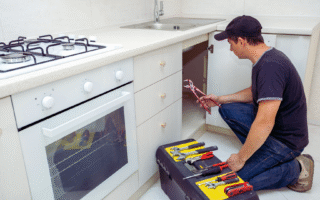
If none of these methods work, the clog might be too deep or too solid to remove on your own. That’s when calling a professional is the best move. Plumbing Auckland services can handle tough blockages and make sure your pipes stay in good shape.
How to Prevent Future Clogs
Once you’ve cleared a clog, the last thing you want is for it to happen again. The best way to avoid blocked drains is to change a few small habits.
- Use drain covers – These help catch hair, food particles, and other debris before they go down the drain.
- Never pour grease down the sink – Instead, let it cool and throw it in the trash.
- Run hot water after using the sink – This helps wash away soap and oils before they build up.
- Be careful what you flush – Only toilet paper and waste should go in the toilet, everything else belongs in the trash.
When to Call a Plumber
If your drain is still clogged after trying everything, it could mean there’s a bigger issue, like a blockage in your main sewer line. Other signs that you need professional help include:
- Water backing up in other drains when you flush the toilet.
- A bad smell coming from multiple drains in your home.
- Slow drainage in multiple sinks or tubs at the same time.
A professional plumber has the tools to locate and remove deep blockages that home remedies can’t fix.
Keeping Your Drains Clear
Clogged drains are frustrating, but they don’t have to be a constant problem. Taking simple steps to prevent blockages and knowing how to fix small clogs before they get worse can save you time, money, and stress. The better you take care of your drains, the less you’ll have to deal with nasty surprises down the line.