
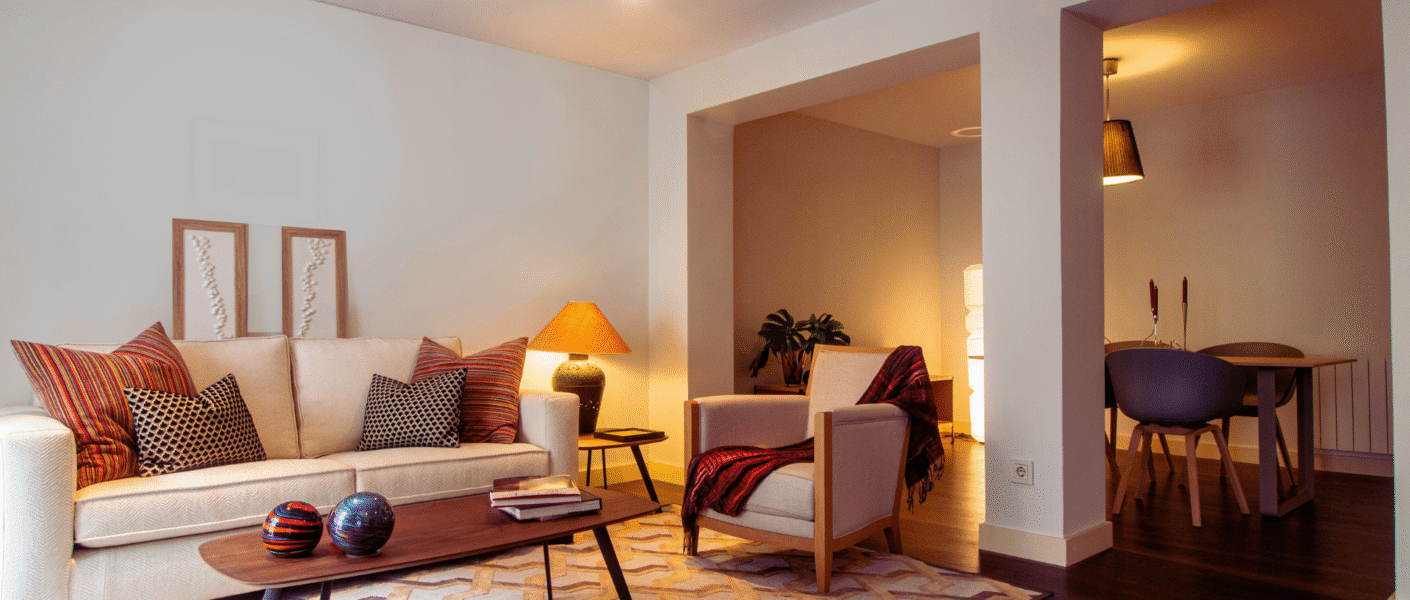
Creating a cosy living room while incorporating modern design elements is an exciting challenge. The right blend of colour, texture, and furniture can transform any space into a warm and inviting sanctuary. By focusing on intentional layout, soothing palettes, and tactile materials, it is possible to achieve a stylish environment that still feels comfortable and lived-in.
Modern design doesn’t have to compromise on warmth. Soft furnishings like plush sofas, textured throws, and layered lighting play crucial roles in enhancing the ambience. Incorporating natural elements, such as wood or stone, can further contribute to a sense of serenity while maintaining a contemporary aesthetic.
To achieve this balance, it’s important to consider both function and style. Thoughtfully chosen decor, artwork, and accessories can add personal touches without overwhelming the space. Embracing minimalist principles can help in creating an uncluttered yet cosy atmosphere that invites relaxation.
Essential Elements of a Modern Cosy Living Room
Creating a modern, cosy living room involves harmonising comfort with contemporary design. Important factors include the furniture’s design, the choice of colours, and the management of natural light, all of which contribute to an inviting atmosphere.
Balancing Comfort with Modern Aesthetics
Incorporating comfort into a modern living room is essential for a welcoming space. Furniture should feature clean lines while still being plush and inviting. For example, a sleek sofa combined with oversized cushions provides both style and relaxation.
The arrangement of furniture can also enhance comfort. A layout that promotes conversation, such as a U-shape or L-shape, is preferable. Additionally, incorporating soft textiles, such as wool throws or velvet cushions, can elevate the comfort level while maintaining a modern aesthetic.
Choosing the Right Colour Palette
The colour palette can significantly influence the mood of a living room. Soft neutrals, like taupe or gentle greys, create a serene environment. For added warmth, consider accents in muted shades of terracotta or dusty pink.
Using colour strategically can also enhance the space’s dimensions. Light colours can make a room feel larger, while darker tones can add intimacy. To prevent the space from feeling bland, incorporate a balance of textures through furnishings and accessories, such as rugs and curtains.
Maximising Light and Airy Atmosphere
Natural light plays a critical role in achieving a light and airy atmosphere. Large windows are ideal, while sheer curtains can filter light without blocking it entirely. A well-lit space feels more inviting and lively.
Mirrors are another effective tool for enhancing light. Positioning a large mirror opposite a window can reflect sunlight and create the illusion of a larger room. Additionally, incorporating plants can improve air quality and add a natural element, further enhancing the room’s cosy yet modern feel.
Layering Texture and Patterns for Warmth
Creating a cosy living room involves careful attention to texture and patterns. By mixing various textures and selecting complementary patterns, one can achieve an inviting and layered aesthetic. This section explores how to incorporate rich textures, style, patterned rugs, and blend soft furnishings with bold designs.
Incorporating Rich Textures
Rich textures can dramatically enhance the warmth of a living room. Consider using materials such as velvet, wool, and faux fur for cushions and throws. This variety adds depth and comfort.
To create contrast, pair soft textiles with harder finishes, like woven baskets or wooden furniture. Accessories like knitted blankets or textured wall hangings can contribute additional interest.
Incorporating different layers, such as a plush sofa against a textured rug, creates a tactile experience. Aim for a balance between the rugged and the soft to maintain a visually appealing space.
Selecting and Styling Patterned Rugs
A patterned rug serves as a focal point in any living room. It can define the space and draw attention to specific areas. When choosing a rug, consider the size, colour palette, and patterns that complement existing furnishings.
For a harmonious look, select a rug that incorporates colours found in other elements of the room. Geometric or floral patterns can add a dynamic flair.
Position the rug to anchor furniture groups, ensuring it extends under the front legs of sofas or chairs. This placement helps unify the space while highlighting the rug’s design.
Combining Soft Furnishings with Bold Patterns
Soft furnishings are an excellent way to introduce patterns without overwhelming a space. Cushions, throws, and curtains can be layered in various patterns, creating a playful yet balanced look.
To avoid clashing, select patterns that vary in scale. For example, pair large-scale prints with smaller, subtler ones. A bold floral cushion can work beautifully with a textured knit throw.
Balance is key; too many patterns can create chaos. Aim for a cohesive colour scheme to tie the elements together, ensuring that the living room feels curated and inviting.
Lighting and Focal Points
Effective lighting and well-placed focal points are crucial for creating a cosy living room. Thoughtful choices enhance comfort and establish a warm atmosphere while drawing attention to key design elements.
Designing Effective Living Room Lighting
Lighting should be layered to achieve a balanced and inviting space. Start with ambient lighting, which serves as the primary light source. This can come from ceiling fixtures or floor lamps. Using dimmer switches allows for flexibility, adjusting brightness based on the time of day or activity.
Task lighting is also important, particularly for reading areas. Table lamps with warm bulbs create a soothing glow that encourages relaxation. Accent lighting can highlight artwork or architectural features, adding depth and interest to the décor.
Integrating Wall Lights and Ambient Fixtures
Wall lights are an excellent addition for enhancing ambience without taking up floor space. They can be strategically placed at eye level to create soft, indirect light. Look for sconces with adjustable heads to direct light where needed.
Combining wall lights with ambient fixtures, like chandeliers or pendant lights, creates a layered effect. The mix of light sources adds depth, making the room feel more dynamic. Selecting fixtures with warm finishes, such as brass or bronze, further contributes to a cosy atmosphere.
Creating a Striking Focal Point
A focal point anchors the room and draws the eye. This can be a fireplace, a large piece of art, or bold furniture. To highlight the focal point, use accent lighting, such as spotlights or picture lights, to make it stand out. This is where installing fireplace suites can be beneficial, as it can provide a complete and integrated look to the focal point. These fireplace suites often come with a mantel, surround, and a hearth to create a centerpiece that naturally becomes the focal point of any room.
Surrounding elements should complement the focal point without overshadowing it. For instance, consider arranging seating that encourages conversation while maintaining sightlines to the focal feature. Incorporating textures, like a plush rug or soft throws, also enhances the overall comfort and appeal of the space.
Decorative Features and Finishing Touches
Strategic decorative features can enhance the aesthetic appeal of a cosy living room. Incorporating elements such as wallpaper, houseplants, and a stone fireplace creates a warm, inviting atmosphere.
Using Living Room Wallpaper Creatively
Living room wallpaper can serve as a focal point in the design. Bold patterns or textures on a single feature wall can add depth and character, while lighter shades may help to keep the room feeling airy.
Consider the use of removable wallpaper for versatile design changes without commitment. Sophisticated patterns like floral or geometric can complement other decor elements, creating cohesion.
Accent papers, placed in alcoves or around the fireplace, can frame spaces beautifully. Combining various prints in a harmonious colour palette ensures the space feels curated rather than chaotic.
Styling with Houseplants
Incorporating houseplants into a living room design not only adds colour but also provides a connection to nature. Plants like snake plants or pothos are popular due to their easy maintenance and air-purifying qualities.
Grouping plants in various heights on shelves or side tables creates visual interest. Trailing varieties can be placed on high surfaces, allowing them to cascade gracefully.
Using decorative pots or planters further enhances their aesthetic appeal. Incorporating natural materials like terracotta or textured ceramic can align with other design elements, promoting a relaxed atmosphere.
Incorporating a Stone Fireplace
A stone fireplace serves as a striking centrepiece in any living room. Its natural textures and warmth contribute significantly to the cosy feeling of the space. Selecting local stone can enhance authenticity and bring an earthy quality to the room.
The fireplace’s design can be complemented by a mantel adorned with carefully curated items such as candles, artwork, or family photos. This arrangement personalises the space and fosters a welcoming environment.
During colder months, a well-designed fireplace not only becomes a source of warmth but also serves as an inviting gathering point for family and friends.