
Making a home more energy efficient can lead to significant savings on utility bills and a reduced carbon footprint. Simple adjustments like sealing drafts, upgrading insulation, and investing in energy-efficient appliances can create a more sustainable living environment. These changes are not only beneficial for the wallet but also contribute positively to the planet.
Incorporating energy-efficient practices is easier than many homeowners think. Small steps, such as switching to LED lighting and utilising smart thermostats, can have a substantial impact over time. Understanding how to optimise home energy usage can empower residents to make informed choices that benefit both their finances and the environment.
As individuals become more conscious of their energy consumption, they often seek tangible solutions. This blog post will explore effective strategies for making a home greener and more economical, providing readers with practical tips that are accessible and implementable.
Enhancing Insulation and Draught-Proofing
Improving insulation and effectively sealing draughts are crucial for an energy-efficient home. These steps can significantly reduce heat loss, lower energy bills, and create a more comfortable living environment.
Improving Loft and Wall Insulation
Proper loft and wall insulation play a vital role in maintaining indoor temperature. It can prevent up to 25% of heat loss in a home. Selecting the right materials, such as fibreglass, mineral wool, or foam boards, can help achieve optimal insulation levels.
For lofts, a thickness of at least 270 mm is recommended. Wall insulation options include internal and external solutions. Internal insulation involves adding insulated plasterboard, while external insulation wraps the entire house in a protective layer. In either case, it’s essential to ensure that the insulation is installed correctly for maximum effectiveness.
Sealing Draughts Around Doors and Windows
Preventing draughts from doors and windows can lead to substantial energy savings. Common areas where draughts occur include gaps in frames, letterboxes, and even floorboards. Homeowners should conduct a thorough inspection to identify these gaps.
Sealing techniques can include applying caulk to cracks, using weather stripping around frames, and installing foam insulation for larger gaps. Additionally, fitting trickle vents can help maintain ventilation without compromising energy efficiency. Addressing these issues not only makes a home more comfortable but also reduces energy usage.
Installing Draught Excluders and Heavy Curtains
Draught excluders are effective tools for preventing cold air from entering through doors and windows. These can be purchased or made from materials like fabric or foam. Placing them at the base of doors can block significant draughts.
Heavy curtains can also contribute to effective draught-proofing. They provide an extra layer of insulation when drawn. Opt for curtains made from thick materials such as velvet or thermal fabrics. Installing them can help retain warmth, especially during colder months, leading to improved energy efficiency throughout the home.
Choosing and Using Energy-Efficient Appliances
Selecting the right appliances and utilising them effectively is essential for enhancing energy efficiency in the home. Focus on high energy ratings, optimal usage strategies with timers, and regularly maintaining radiators to maximise energy savings.
Upgrading to Appliances with High Energy Ratings
When replacing appliances, investing in those with high energy ratings is crucial. Look for products carrying the Energy Saving Trust label or those graded A++ or A+++ for the best performance.
These appliances typically consume less energy while providing the same functionality. For example, energy-efficient washing machines can use up to 50% less water and electricity compared to older models.
Consideration should also be given to the appliance’s size and appropriate usage. Choosing models that suit household needs can prevent excess energy consumption.
Optimising Appliance Usage with Timers
Timers can significantly reduce energy consumption by ensuring appliances run only when necessary. For example, using a timer on a dishwasher or washing machine allows for operation during off-peak electricity hours.
Smart plugs with built-in timers can automatically switch appliances off after use. This practice not only conserves energy but also prevents wear and tear from continuous operation.
By coordinating energy-intensive tasks when energy demand is low, considerable savings can be achieved over time.
Maintaining and Replacing Old Radiators
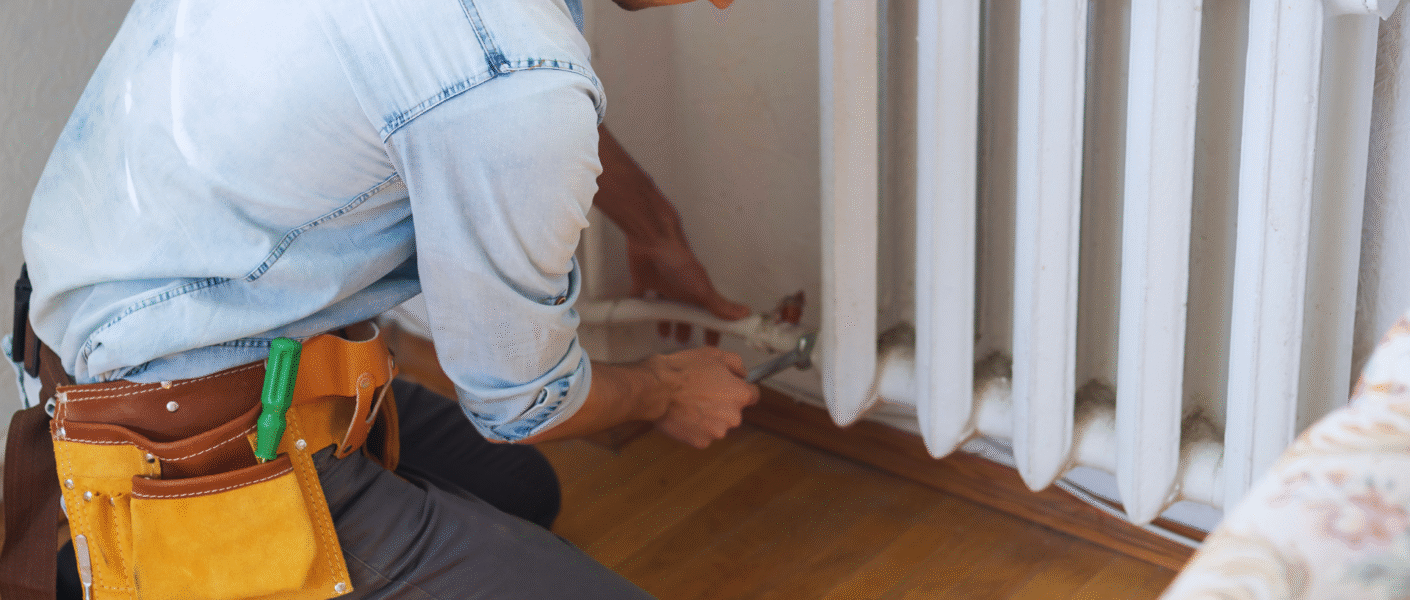
Old radiators can be significant energy drains if not maintained correctly. Regular bleeding to release trapped air ensures optimal heat distribution. It is advisable to check for leaks and signs of corrosion, which can affect efficiency.
In some cases, replacing outdated radiators with newer, more efficient models can lead to substantial energy savings. Modern options offer better heat output while consuming less energy.
Additionally, ensuring proper insulation behind radiators and in the home can enhance heating effectiveness and reduce energy costs, contributing to an overall increase in energy efficiency.
Everyday Habits to Reduce Energy Consumption
Adjusting daily practices can lead to significant reductions in energy consumption and costs. Simple changes in behaviour can enhance energy savings and ultimately lower energy bills.
Adopting Simple Energy-Saving Behaviours
To save energy at home, individuals can start by turning off lights in unoccupied rooms. Using energy-efficient LED bulbs instead of incandescent ones greatly reduces electricity use.
Setting appliances to energy-saving modes will also help. For example, the washing machine can be set to lower temperatures whenever possible.
Additionally, unplugging chargers and devices not in use prevents unnecessary energy draw. Using smart power strips can aid this by cutting power to devices automatically.
Taking shorter showers and fixing leaks can reduce hot water consumption. Every small action contributes to a more energy-efficient household.
Monitoring and Lowering Energy Bills
Regularly checking energy bills allows homeowners to identify unusual spikes in consumption. Tracking patterns over time can reveal which appliances are energy hogs.
Installing a smart thermostat can optimise heating and cooling schedules, further controlling energy use. Adjusting settings based on occupancy can lead to substantial savings.
Taking advantage of energy providers’ tools for monitoring usage, like online accounts or apps, can also provide insights. They often offer tips tailored to individual household consumption.
Seasonal changes also offer an opportunity to adapt habits. In winter, wearing warmer clothing indoors can reduce heating needs. In summer, closing curtains during the day can keep homes cooler without excessive air conditioning.