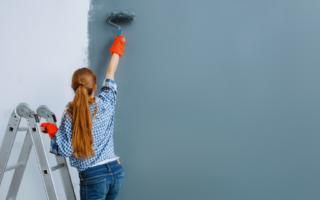
A comprehensive home maintenance checklist is essential for any homeowner looking to protect their investment and ensure a safe living environment. The checklist should include routine tasks such as inspecting the roof, checking the heating system, and examining plumbing for leaks. Staying proactive can help prevent costly repairs and enhance the longevity of a home.
Regular maintenance tasks also extend to outdoor elements, such as cleaning gutters, maintaining garden tools, and inspecting fences or decking. Homeowners should not overlook the importance of seasonal checks, which can include important items like servicing the boiler in winter or checking air conditioning units in summer. This structured approach allows for efficient management of home upkeep.
By establishing a clear and thorough maintenance checklist, owners can better organise their responsibilities, reduce the likelihood of surprises, and maintain the value of their property over time. Staying informed and diligent makes all the difference in home care and management.
Essential Home Maintenance Tasks
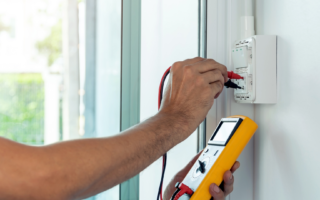
Regular home maintenance is vital for ensuring safety and avoiding costly repairs. Key tasks include inspecting for leaks, checking safety devices, and testing the electrical system. Each of these areas plays a crucial role in maintaining a secure and functional home environment.
Inspect for Leaks and Water Damage
Identifying leaks early helps prevent significant water damage. This can often lead to mould growth, structural issues, and increased water bills. Homeowners should inspect plumbing and appliances regularly, looking for signs such as pooling water or damp spots.
Key areas to check include:
- Under sinks
- Around toilets
- In basements and attics
Using a moisture meter can assist in detecting hidden leaks. Homeowners should also check their roofs for missing shingles or signs of wear that might allow water infiltration. If leaks are found, addressing them promptly will protect both the property and the occupants.
Check Smoke and Carbon Monoxide Detectors
Smoke and carbon monoxide detectors are essential for home safety. Regularly testing these devices is crucial, as they are the first line of defence against fire and carbon monoxide poisoning.
Homeowners should:
- Test smoke alarms monthly by pressing the test button.
- Replace batteries at least once a year or when the alarm chirps.
- Inspect carbon monoxide detectors to ensure they are functioning and replace them every five to seven years.
It is also wise to install detectors on every floor and near sleeping areas. A functioning smoke alarm can reduce the risk of fire-related fatalities significantly.
Test Electrical System and Safety Devices
The electrical system must be checked to prevent potential hazards. This includes inspecting all outlets, switches, and appliances for signs of wear or damage.
Homeowners should:
- Test Ground Fault Circuit Interrupters (GFCIs) monthly to ensure they trip properly.
- Look for discoloured outlets or flickering lights as signs of electrical issues.
- Hire a professional electrician to inspect the system if problems are detected.
Regular checks help ensure that the electrical system operates safely and efficiently, reducing the risk of electrical fires or shocks.
Annual Property and Garden Care
Regular maintenance of property and garden is essential to ensure longevity and aesthetic appeal. This section addresses critical tasks homeowners should complete annually to preserve their environment and enhance property value.
Clean and Inspect Gutters and Downspouts
Cleaning gutters and downspouts is crucial for preventing water damage. Leaves, debris, and dirt accumulate over time, leading to blockages that can cause overflow and structural harm.
Homeowners should clear gutters at least once a year, ideally in autumn after leaf fall. A visual inspection helps identify cracks, rust, or misalignment. It’s advisable to replace any damaged sections promptly.
Consider using a gutter guard to minimise debris build-up in the future. Regular maintenance ensures proper water flow, directing it away from the foundation and reducing the risk of flooding or erosion.
Maintain Lawn, Garden, and Landscaping
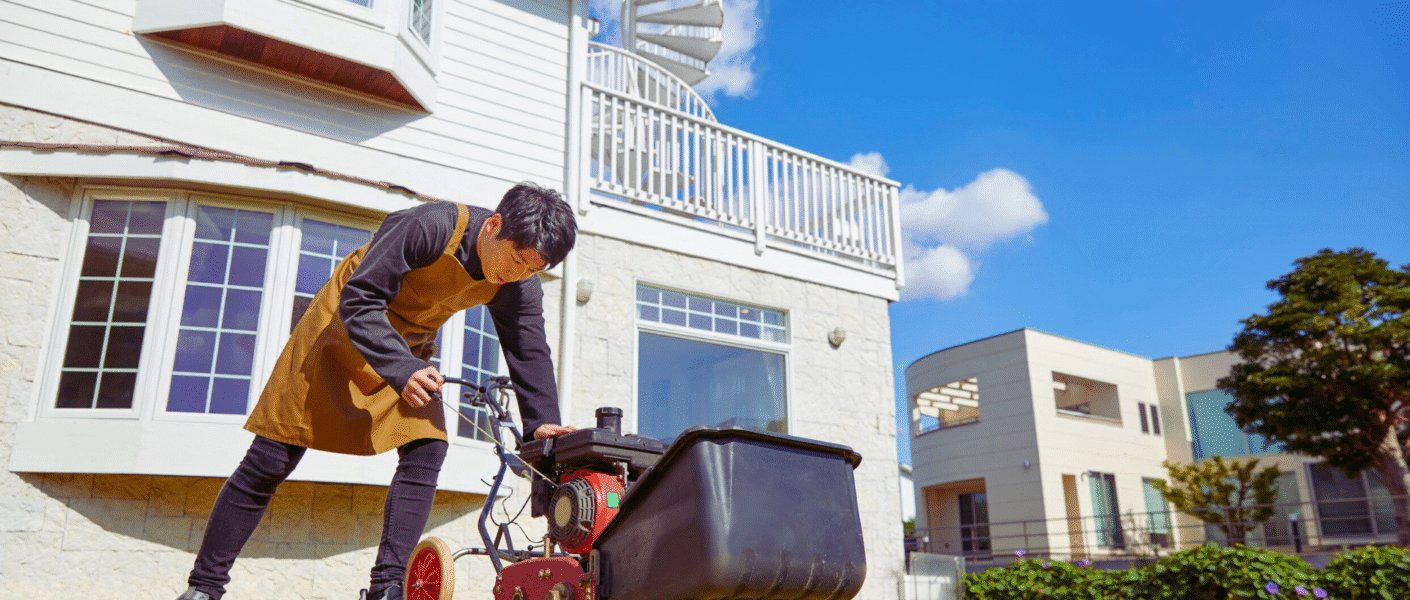
Annual maintenance of lawns, gardens, and overall landscaping keeps outdoor spaces healthy and appealing. This includes aerating, fertilising, and reseeding the lawn.
Gardens should be pruned, removing dead or overgrown plants to encourage new growth. Mulching can retain moisture and suppress weeds, enhancing the garden’s overall health.
For landscaping, ensure edges are defined and paths are clear. A well-maintained landscape not only improves aesthetics but also prevents issues related to pests and soil erosion. Regular upkeep contributes to a vibrant and inviting outdoor space.
Seasonal Spring Cleaning and Insulation Check
Spring is an ideal time for cleaning and checking insulation. Begin with an extensive interior cleaning, including dusting, vacuuming, and deep-cleaning carpets.
Homes should have insulation inspected for damage or wear. Areas such as attics and basements may require attention to maintain energy efficiency. Proper insulation helps regulate temperature, reducing energy bills.
Outside, clear debris from around the foundation and check for any necessary repairs. Ensuring both indoor and outdoor spaces are well-maintained supports a comfortable living environment and can prevent larger issues in the future.
Appliance and Plumbing Upkeep
Regular maintenance of appliances and plumbing systems is essential for optimal performance and longevity. Homeowners should pay attention to specific areas to prevent problems and maintain efficiency.
Examine Washing Machine Hoses and Refrigerator Coils
Inspecting washing machine hoses is vital to prevent leaks and water damage. Homeowners should check for signs of wear, such as cracks or bulges. It’s advisable to replace hoses every five years, even if they appear intact.
For refrigerator coils, regular cleaning is necessary for energy efficiency. Dust accumulation can lead to increased energy consumption and overheating. Clean the coils every six months using a vacuum or brush. This practice helps maintain optimal cooling performance and can extend the appliance’s lifespan.
Check Shower Heads and Plumbing Fixtures
Shower heads require periodic inspection to ensure proper water flow and efficiency. Over time, mineral deposits can obstruct water outlets, reducing pressure. Soaking the shower head in vinegar can effectively dissolve limescale.
For plumbing fixtures, such as faucets and drains, check for leaks and rust. Tighten any loose connections and replace washers where needed. Regular maintenance of these fixtures can prevent unexpected repairs and ensure functionality, leading to water conservation and reduced utility bills.
Improving Energy Efficiency, Security, and Health
Addressing energy efficiency, security systems, and health concerns in a home can significantly enhance comfort and safety. Key actions in these areas promote long-term benefits for the residents.
Conduct an Energy Audit and Address Mould
An energy audit is a comprehensive assessment of a home’s energy use. This process identifies areas where improvements can enhance efficiency, leading to reduced energy costs. Residents should look for draughts, poor insulation, and inefficient appliances.
Mould can compromise indoor air quality and health. Regularly checking for signs of mould in damp areas, such as bathrooms and basements, is essential. If mould is found, immediate action is necessary, including proper cleaning and addressing any moisture issues. Preventative measures, such as using dehumidifiers and ensuring proper ventilation, will help maintain a healthy indoor environment.
Review Security Systems and Fire Extinguishers
Regularly checking and updating security systems is vital for maintaining safety. This includes testing alarms and ensuring security cameras are functional. Homeowners should evaluate their security needs and consider smart technology for enhanced monitoring capabilities.
Fire extinguishers are crucial in any home. It is important to inspect extinguishers every six months to ensure they are fully charged and accessible. Homeowners should also read the instructions on each extinguisher to ensure proper usage. Additionally, placing extinguishers in key locations, such as the kitchen and garage, maximises safety in emergencies.
Inspect for Pests Such As Ants and Lice
Pest control is essential for maintaining a healthy living environment. Regular inspections can help identify early signs of infestations, such as ants or lice. Homeowners should check for trails, nests, and droppings to detect insect activity.
Implementing preventive measures, such as sealing entry points and maintaining cleanliness, can also deter pests. In case of an infestation, timely professional assistance can prevent further issues. Regular checks and maintenance can keep a home pest-free, contributing to overall health and well-being.